Most people assume water is either “good” or “bad.” Clear or dirty. Safe or unsafe.
But real life usually lands somewhere in the middle.
Water can technically be safe to drink while still causing all kinds of frustrating little problems around the house. Maybe your dishes never look fully clean. Maybe your shower leaves your skin feeling tight and dry. Maybe the coffee tastes strange no matter which brand you buy. These things seem unrelated at first, but often they trace back to the same source sitting quietly behind the walls of the home.
The water itself.
And honestly, once homeowners start paying attention to it, they usually realize water affects daily comfort far more than they ever expected.
Not All Water Behaves the Same Way
One family may have perfectly balanced water straight from the tap, while another deals with staining, odors, or buildup constantly. Even neighboring homes can experience completely different issues depending on plumbing, water source, and local mineral levels.
That unpredictability surprises people.
Some homeowners notice white residue collecting around faucets or showerheads. Others battle orange stains in sinks that seem impossible to scrub away permanently. Sometimes laundry fades faster than it should, or glasses come out of the dishwasher looking cloudy instead of clean.
The difficult part is that many of these issues develop gradually. People adapt without realizing how much inconvenience they’ve normalized.
Until they visit another home and suddenly notice their water feels different.
Hard Water Has a Bigger Impact Than People Think
One of the most common household issues involves water hardness.
Hard water contains elevated levels of dissolved minerals, mainly calcium and magnesium. It isn’t usually dangerous, but it can be incredibly annoying over time. Soap doesn’t lather properly. Water spots appear on dishes. Appliances work harder than they should because mineral buildup slowly forms inside pipes and heating elements.
It’s the kind of problem people tolerate for years because nothing feels urgent enough to fix immediately.
But those little frustrations add up quietly.
Water heaters lose efficiency. Washing machines wear out faster. Skin feels dry after showers no matter which lotion someone buys afterward. Towels become rough instead of soft. Homeowners often spend money treating symptoms without realizing the root cause has been flowing through the pipes the whole time.
And honestly, once hard water problems are corrected, many people wonder why they waited so long.
Iron in Water Changes More Than Appearance
When iron is present in household water, the signs are usually harder to ignore.
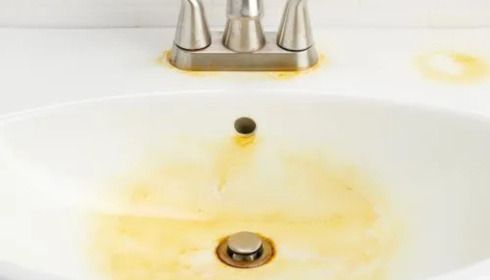
Orange or reddish stains around sinks and toilets are common. Faucets discolor. Laundry may develop rusty-looking marks. In some homes, the water even carries a metallic taste or smell that becomes difficult to overlook after a while.
Well water systems encounter this especially often, though municipal supplies can experience it too depending on local infrastructure and groundwater conditions.
The frustrating thing about iron issues is how stubborn they become. You clean surfaces constantly, yet the stains return again and again. It starts to feel like a losing battle.
And beyond appearance, iron buildup can affect plumbing and appliances over time. Sediment accumulates inside pipes, fixtures, and water-using equipment, slowly reducing efficiency little by little.
That’s why proper testing matters before homeowners rush into buying random filters online. Different forms of iron require different treatment approaches. What solves the problem in one home might barely help another.
The Word “Contaminants” Sounds Scary — But Context Matters
People hear the word contaminants and immediately assume disaster. The reality is usually more nuanced than that.
Some contaminants are relatively harmless minerals affecting taste or hardness levels. Others may require more serious attention depending on concentration and water source. The key difference lies in understanding what’s actually present and whether it poses a meaningful concern for the household.
That’s why water testing is so valuable.
Without testing, homeowners often rely on guesswork or internet advice that may not fit their situation at all. One person installs a softener when they really needed filtration. Another buys bottled water while the real issue sits inside aging plumbing lines.
A proper analysis creates clarity instead of confusion.
And honestly, most homeowners feel relieved once they finally understand what’s happening with their water rather than constantly wondering.
Water Quality Shapes Daily Comfort Quietly
What makes water issues interesting is how deeply they influence ordinary routines.
Morning coffee. Evening showers. Laundry day. Washing vegetables before dinner. Filling a glass during the middle of the night. Water touches nearly every corner of home life, even though people rarely stop to think about it directly.
When quality improves, the benefits often feel subtle at first.
Soap rinses cleaner. Hair feels softer. Dishes sparkle more naturally. Faucets stay cleaner longer. The house simply feels more comfortable in ways people struggle to describe specifically.
That’s probably why homeowners who finally address water issues rarely regret doing it afterward.
Not because water treatment systems are exciting. They really aren’t.
But comfort matters.
Reliable water changes how a home feels day after day, quietly improving the background details most people only notice once they’re gone. And honestly, those small everyday improvements tend to matter more over time than flashy upgrades people show off online for a week before forgetting about them completely.