
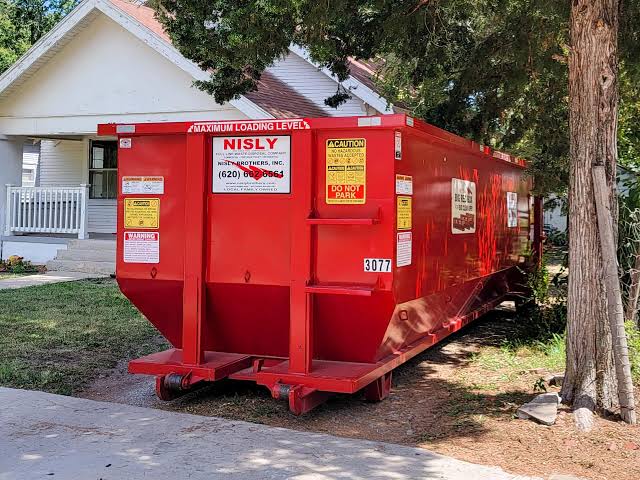
There’s always a point during a major cleanup when you realize you’ve underestimated how much stuff needs to go. Maybe it’s halfway through tearing out an old kitchen, or perhaps you’ve finally decided to tackle the garage after years of putting it off. Suddenly, those ordinary garbage bins aren’t going to cut it.
For larger cleanup and renovation projects, 20-yard and 30-yard roll-off dumpsters offer practical options for managing substantial amounts of unwanted material without constantly arranging disposal trips.
Choosing between these two sizes, however, isn’t always straightforward. The right decision depends on the type of debris, available space, project duration, and expected waste volume.
Getting those details right can save money, reduce stress, and make an already demanding project feel a little more manageable.
Understanding the Difference Between Dumpster Sizes
Dumpster capacity is measured in cubic yards, which refers to the volume of material a container can hold.
A 20-yard dumpster holds approximately 20 cubic yards of material, while a 30-yard container provides 50 percent more volume.
That additional space can be particularly useful during extensive renovations or property cleanouts involving bulky items.
A 20-yard container may be suitable for medium-sized remodeling projects, garage cleanouts, or flooring replacement. A 30-yard dumpster generally offers more flexibility for larger renovations, substantial furniture removal, and commercial projects.
Actual container dimensions vary between providers, so it’s worth confirming measurements before arranging delivery.
Remember, too, that greater volume doesn’t automatically mean a proportionately higher weight allowance. Heavy materials can quickly reach loading limits, even when plenty of space remains.
Making Major Property Cleanouts Less Overwhelming
Cleaning out a property can be surprisingly emotional. Old furniture, forgotten boxes, and belongings collected over decades often carry memories, making the process more demanding than simply throwing things away.
Using roll-off dumpsters for cleanouts provides a designated space for unwanted materials, allowing homeowners and property managers to work through the process at a reasonable pace.
These containers are particularly helpful during estate cleanouts, moving preparations, rental property turnovers, and extensive basement or attic clearances.
Before loading everything into the dumpster, consider separating items that could be donated, reused, or recycled.
An old dining table might no longer suit your home, but someone else could find it perfectly useful.
Allowing time for sorting can reduce unnecessary disposal while making better use of your rented container.
Managing Construction Debris Without Interrupting Progress
Construction and renovation projects generate waste from the moment demolition begins. Drywall, damaged fixtures, timber, flooring, and packaging materials can accumulate at an impressive rate.
Arranging a suitable dumpster rental for construction debris helps contractors and homeowners maintain organized work areas while reducing the need for repeated trips to disposal facilities.
For medium-sized renovation projects, a 20-yard container may provide sufficient capacity. More extensive remodeling work could benefit from a larger option.
However, heavy debris deserves special consideration.
Concrete, bricks, and roofing shingles can weigh considerably more than ordinary household clutter. Some providers require dedicated containers or impose specific loading restrictions for these materials.
Discuss the nature of your project before choosing a dumpster.
Having the right container available when work begins can prevent frustrating interruptions and help everyone stay focused on the job.
Considering the Space Available on Your Property
It’s easy to focus entirely on dumpster capacity and forget about where the container will actually sit.
A larger dumpster might sound ideal until you discover that your driveway cannot comfortably accommodate it.
Delivery vehicles require sufficient room to maneuver, position containers, and collect them safely. Overhead cables, tree branches, fences, and parked vehicles can complicate access.
Check the available placement area and discuss surface protection with your rental provider, particularly if you’re concerned about driveway damage.
If public property is involved, confirm whether local authorization is required.
Think about loading convenience as well. Positioning the container reasonably close to the work area can save countless trips carrying heavy or awkward materials.
Understanding Rental Prices and Potential Additional Fees
Dumpster rental expenses typically depend on container size, rental duration, material type, and weight allowances.
Before booking, ask whether the quoted price includes delivery, collection, and disposal.
Find out how additional fees are calculated if you exceed the agreed weight limit or need to extend the rental period.
Sometimes, choosing a slightly larger container makes financial sense because it reduces the likelihood of requiring another rental. In other situations, a smaller dumpster provides adequate capacity at a lower cost.
The cheapest advertised price isn’t necessarily the best overall deal.
Transparent rental agreements and dependable collection arrangements can make budgeting considerably easier, especially when you’re managing other project expenses.
Loading Your Dumpster Safely and Efficiently
Making good use of available space requires a little planning.
Distribute materials evenly, break down suitable bulky items when safe, and avoid loading debris above the container’s permitted fill line.
Never assume that prohibited materials can be hidden beneath ordinary garbage. Batteries, chemicals, paint, and certain electronic devices may require specialized disposal arrangements.
Ask your provider about acceptable materials before starting the cleanup.
Responsible loading helps prevent collection difficulties while supporting safer transportation and disposal practices.
Give Your Project the Clean Start It Deserves
Whether you’re renovating a house, clearing an inherited property, or managing a construction site, choosing an appropriate dumpster can simplify the entire process.
Consider your expected debris, available space, and rental conditions before making a decision.
A well-planned disposal arrangement means fewer distractions and more time to concentrate on completing the work.
And when the final load is collected, there’s something wonderfully satisfying about seeing a clean, organized property where all that clutter once stood.
