We tend to overlook the quiet, dependable things in life. Like the background hum of your fridge. Or the fact that water pours from your faucet with the flick of a wrist. Until something shifts — a metallic taste, cloudy ice cubes, or the sinking suspicion that what you’re drinking isn’t quite what it should be.
That’s where a lot of Long Islanders find themselves lately. Not in panic mode, but in that “Hmm, maybe we should look into this” territory. Because our water might be local, but the challenges? They’re pretty universal — taste, safety, mineral buildup, and the long-term wear and tear on your appliances (and your patience).
Let’s unpack what’s really going on with your water — and how to take control without turning your kitchen into a science lab.
What’s Really Flowing Through Your Pipes?
Long Island’s water comes from a system of underground aquifers. On paper, that sounds like nature doing its job. Rain falls, trickles through layers of sand and soil, and ends up in a groundwater supply we tap into.
But what else trickles down? Fertilizer. Road salt. Decades-old industrial waste. Even those well-manicured lawns can contribute to nitrates and chemicals seeping into the same water we drink, cook with, and shower in.
While most local water districts do treat the supply before it hits your tap, that doesn’t always mean it tastes (or performs) the way it should. Enter the rise of residential water treatment companies who are stepping in to fill the gap — literally and figuratively — with solutions designed for real homes and real lives.
You Don’t Have to Be a Chemist to Care
For a lot of people, the water conversation starts with taste. Or the telltale signs of hard water: that chalky film on your glasses, soap that refuses to lather, or skin that feels tight and itchy after a shower.
But behind those everyday annoyances could be bigger stories — excessive iron that stains everything orange, chlorine levels that make your bathroom smell like a public pool, or even trace amounts of contaminants that slip through the cracks of regulation.
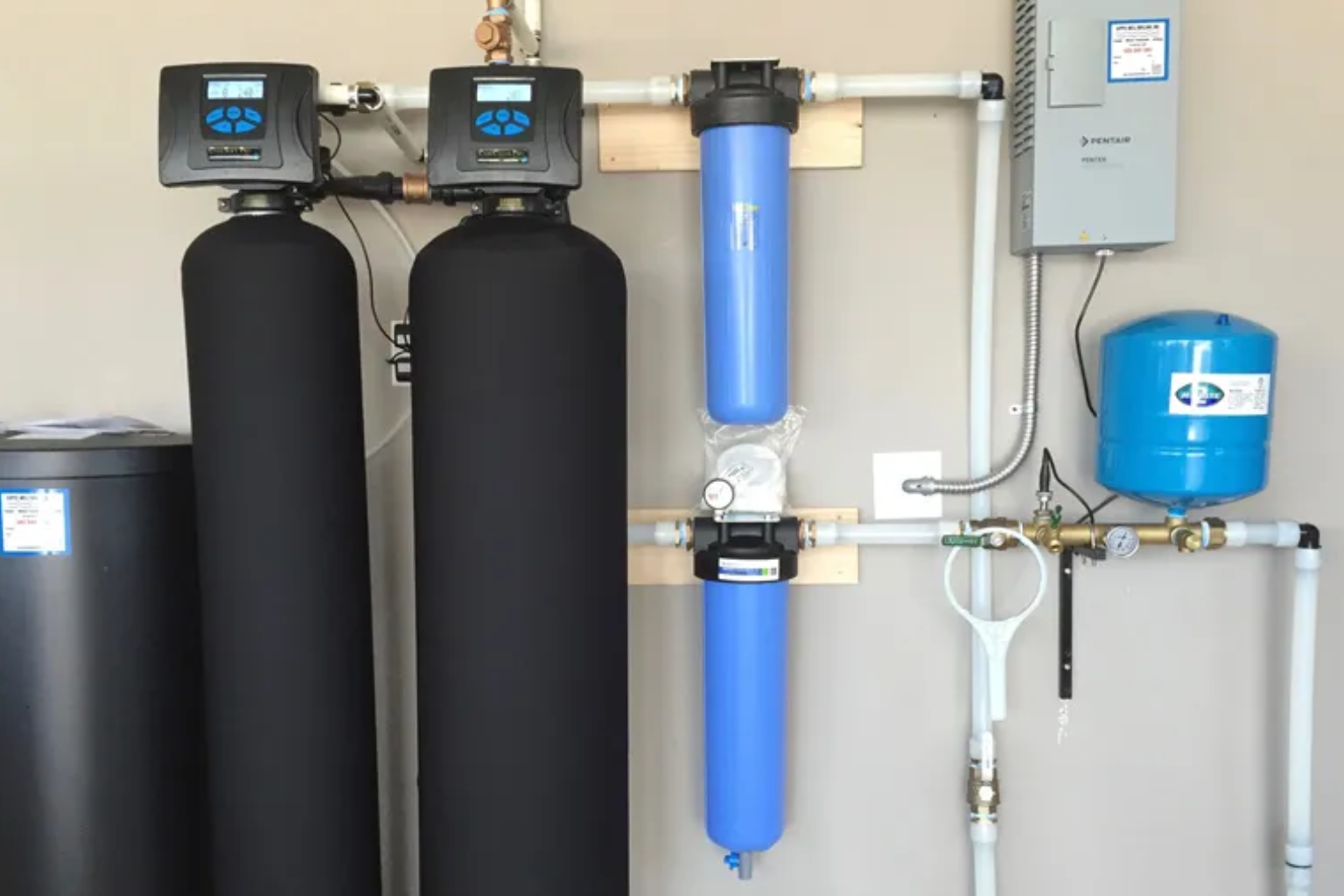
That’s why local homeowners are starting to Google things like “water conditioner companies near me” more than ever. Not because they’re paranoid — because they’re paying attention. A good water conditioner can soften hard water, balance pH, and strip out excess minerals before they cause damage to your pipes, your appliances, or your morning coffee ritual.
And guess what? These systems aren’t just for mansions or farmhouses anymore. Many are compact, affordable, and designed specifically for residential setups.
The Service You Didn’t Know You Needed: Water Delivery
Let’s shift gears for a second. Not everyone wants to mess with under-sink filters, softeners, or reverse osmosis systems. Maybe you rent. Maybe you’re too busy. Or maybe you just like the idea of having crisp, clean water on hand without doing the legwork.
That’s where Long Island water delivery services come into play. And we’re not talking about the giant jugs gathering dust in an office breakroom. We’re talking customizable, residential-friendly delivery options for homes, apartments, and yes — even busy families with kids who drink like camels.
Alkaline water? Spring? Distilled? Weekly drops? One-time bulk orders? You’ve got choices. And many of the companies servicing Long Island aren’t massive corporate outfits — they’re local, family-run businesses that know the area, the water, and the people they’re serving.
Bonus: many offer eco-friendly bottles and recycling pickup, so your hydration doesn’t come with a side of guilt.
Personal Story Break: Why I Finally Made the Switch
Confession time — I was a water snob before I knew what hard water even was. I just knew my tea tasted “off,” and I couldn’t get my shower glass clean no matter how hard I scrubbed. I blamed the kettle. I blamed the cleaning products. Eventually, I blamed myself.
Then a neighbor casually mentioned they’d installed a conditioner and hadn’t looked back. I rolled my eyes at first. But after a test (free, by the way) and a walkthrough of the whole setup, I gave it a shot.
It was night and day. My skin didn’t feel like crepe paper. My laundry came out softer. The kettle? Silent. And most importantly — I stopped buying bottled water. It paid for itself faster than I expected.
Signs You Might Need to Rethink Your Water
If you’re still not sure whether you need treatment or delivery, here’s a gut-check list:
- Dishes come out of the dishwasher cloudy, even with rinse aid
- You use a ton of soap and still don’t feel “clean”
- Your hair feels dry or brittle after washing
- Coffee or tea tastes different from house to house
- Your water has a faint smell or aftertaste
- You’re going through appliances faster than you should
- You spend more than $25/month on bottled water
If you nodded at more than one of those, it might be time to do a little digging (or sipping).
What to Look for in a Local Company
There are plenty of options out there, but when it comes to your water, not all providers are created equal. Look for companies that:
- Offer a free or low-cost water test (ideally on-site)
- Explain results in plain English
- Customize solutions instead of pushing a one-size-fits-all approach
- Have clear, transparent pricing
- Include installation and ongoing service
- Are responsive when you call or email (seems simple, but… yeah)
Whether you’re searching for residential water treatment companies or reliable delivery service, customer service is everything. You want someone who treats your family’s water the way they’d treat their own.
Final Thoughts: It’s Just Water… Until It Isn’t
Water is easy to overlook. It doesn’t demand attention. It doesn’t crash. It doesn’t beep. But the moment it stops doing its job — or starts doing the wrong job — it affects everything. Your skin. Your food. Your comfort.