

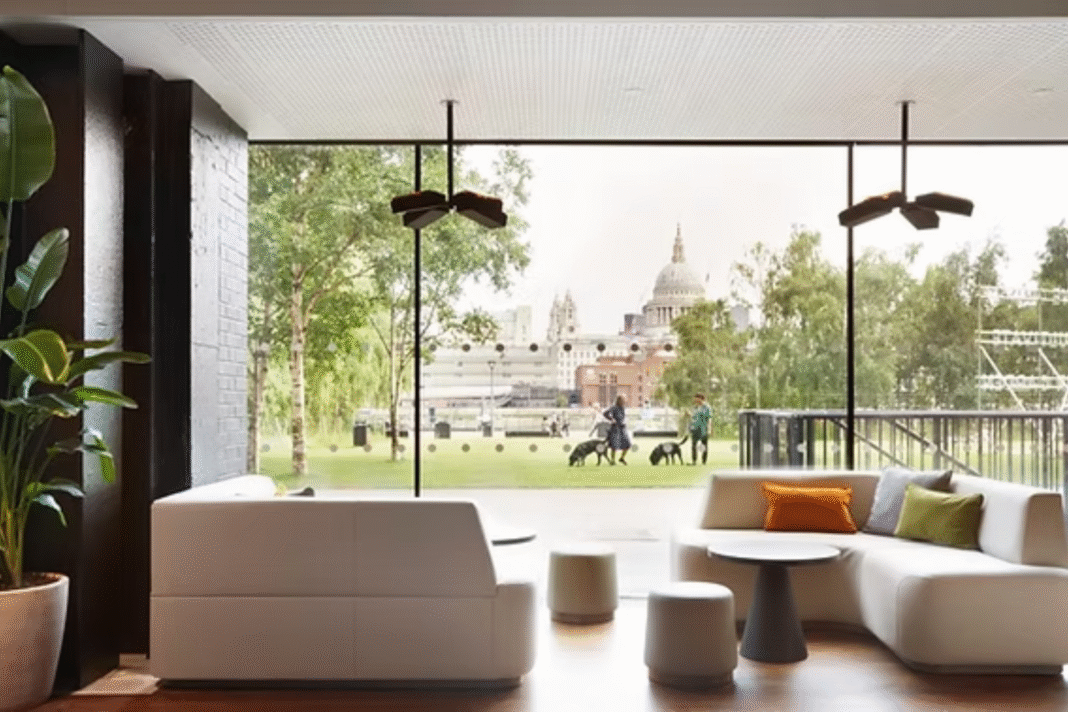

There’s something about walking into a well-designed space that just feels… right. It’s not just about pretty furniture or trendy colors. It’s how everything flows together, how the space almost anticipates your needs — like it’s been waiting for you to arrive. That’s the kind of home design that sticks with you. Not the kind you flip through in magazines. The kind you live in.
Truth is, good design isn’t reserved for the elite or the Pinterest-perfect. It’s about intention. About noticing how you move through your day and shaping the space to fit that rhythm — not the other way around.
Let’s unpack what it really means to design with purpose, personality, and practicality.
Life Doesn’t Happen in a Catalog
Real homes have mismatched socks, sticky fingers, dinner prep chaos, and spontaneous dance parties. Designing for that kind of life? That’s where the heart is.
Too often, design gets caught up in perfection. But perfection is stiff. It doesn’t breathe. What we need are homes that are forgiving, flexible, and full of warmth.
The goal? A space that lives with you — not one that demands you live up to it.
Every Home Has a Story (Let’s Not Skip Chapters)
Your home tells a story — of where you’ve been, who you love, what you value. That story deserves space to be told in its own voice.
Whether you’re starting fresh or working with an existing space, the process isn’t about copying a trend. It’s about uncovering what feels right for you. For your family. For your rhythm.
That’s why the same design principles shouldn’t be blindly applied across both remodels and new builds. Each path has its own set of challenges and opportunities. A remodel carries the bones of history and the echoes of memory. A new build, on the other hand, is a blank canvas. Both deserve thoughtful attention — not just to style, but to the soul of the space.
Flow Is Everything (And It’s Often Overlooked)
Let’s talk about something most people don’t think of until it’s too late: how you move through your space.
You might not notice it right away, but if you’ve ever tried to carry groceries through a cluttered hallway or had guests awkwardly maneuver around your living room furniture, you’ve felt poor layout planning firsthand.
Furniture and traffic flow planning can make or break how a space functions. It’s not just about squeezing everything in. It’s about leaving enough out. So you can walk, breathe, pause. So nothing feels too tight or too far. So each room invites you in — and lets you out — with ease.
Design isn’t just static. It’s dynamic. And your space should respond to that.
Start With the Why, Not the Wow
Sure, a dramatic chandelier or an edgy backsplash can make a bold statement. But if your kitchen island turns into an obstacle course every morning, the wow-factor wears off real quick.
Design should start with questions. What do your mornings look like? Where do you spend the most time? Do you cook often? Work from home? Host movie nights or need a quiet reading nook?
When you get clear on your why, the layout practically starts designing itself. It becomes less about decoration and more about connection — to the space and to yourself.
The Beauty of Tailored Design
Here’s the truth: templates are easy. But they rarely fit.
What works for a bachelor in a city loft won’t fly for a couple raising three kids and a golden retriever. That’s where custom layout concepts come into play. They’re not about being fancy. They’re about being you.
It could be as simple as adding a built-in bench with storage by the entryway or carving out a workstation in the corner of your dining room. It’s design that adapts to you, not design that asks you to adapt.
And it’s often in those small details — the just-right shelf height, the perfectly placed outlet — that life gets easier.
Design With Flexibility in Mind
Life changes. People move. Families grow. Hobbies expand. What works today might feel outdated tomorrow.
Designing with flexibility doesn’t mean your space has to be bland or generic. It just means giving yourself room to evolve. Sliding doors, modular furniture, multifunctional zones — these aren’t just trends. They’re thoughtful ways to let your home grow with you.
Today it’s a nursery. Tomorrow, an office. Maybe one day a guest room. Spaces can shift without losing their soul — if they’re built with room to breathe.
Balance Isn’t Just for Yoga
You don’t want a home that screams all style, no substance. But you also don’t want one that feels purely functional with zero personality.