

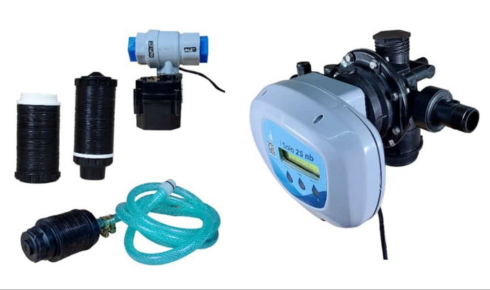

Water softeners aren’t exactly dinner table conversation. No one leans across the table and says, “Let me tell you about my mineral content.” But if you’ve ever dealt with stubborn scale on your faucets or that dry, tight feeling after a shower, you’ve already had the conversation—just silently.
Hard water is one of those slow-burn problems. It doesn’t explode dramatically. It builds up. In pipes. In water heaters. On glass shower doors. It shortens the life of appliances and makes soap work harder than it should. And over time, you start to wonder if there’s a better way.
There is. But it’s not just about “installing a softener” anymore. Today’s systems are smarter, sturdier, and far more intuitive than the bulky units people remember from years ago.
The Evolution of the Water Softener
Older softeners operated on timers. They regenerated on schedule whether you needed it or not. It was a bit like watering your lawn every day, rain or shine.
Modern systems are more refined. They measure usage. They respond to actual demand. Some even connect to your home network, offering real-time insights through hydroplus wi-fi monitoring. That might sound overly technical at first, but think of it this way: instead of guessing when maintenance is needed, your system tells you.
You can track water usage patterns, receive alerts if salt levels run low, and even spot irregularities before they turn into bigger issues. For busy households, that kind of awareness is surprisingly comforting. It removes the “set it and forget it” anxiety and replaces it with quiet confidence.
And if you’re someone who likes knowing how your home functions behind the scenes, the data becomes part of the story.
Strength Matters More Than You Think
Most people focus on what a softener does to the water. Fewer think about what it’s made of.
The tank—the core housing that holds resin beads responsible for ion exchange—needs to handle constant pressure and long-term wear. A high-quality multi-wrap fiberglass tank is designed for durability, resisting corrosion and structural fatigue over years of use.
Why does that matter? Because water systems operate daily. They’re under pressure, literally. Cheap materials might hold up for a while, but over time, weaknesses show. Investing in durable construction isn’t glamorous, but it protects the entire system.
It’s a bit like choosing solid foundation materials for a house. You don’t see them once everything’s installed, but they carry the load.
Small Components, Big Impact
If you really want to understand how a softener performs, look at the details.
Take the brine valve, for example. It controls the flow of saltwater during regeneration cycles. Sounds minor. But precision matters here. An inefficient valve can waste salt, increase water usage, or compromise the effectiveness of regeneration.
That’s why features like a positive-action brine valve are important. Designed for accurate control and reliable operation, it helps ensure the system regenerates efficiently and consistently. Less waste. More predictable performance.
Again, not flashy. But over years of operation, those small efficiencies compound. Lower operating costs. Fewer service calls. Better long-term reliability.
The Real-Life Benefits of Softened Water
All this technical talk is useful—but what does it actually feel like in everyday life?
For starters, showers change. Soap lathers more easily. Hair feels smoother. Skin doesn’t dry out as quickly. It’s subtle, but noticeable.
Laundry improves too. Colors stay brighter. Whites don’t yellow from mineral deposits. Towels feel softer instead of stiff. And appliances—from dishwashers to water heaters—tend to operate more efficiently without scale buildup insulating heating elements.
In some regions, hard water can be extremely high in calcium and magnesium. In those cases, installing a well-designed softener isn’t just about comfort—it’s about protecting plumbing infrastructure.
Smarter Systems, Simpler Living
One of the most interesting shifts in home technology over the last decade is how systems are becoming more integrated and user-friendly. Smart thermostats. Smart security systems. And yes, smart water treatment.
Wi-Fi connectivity, demand-based regeneration, durable tanks, and precision valves all contribute to a system that feels less like machinery and more like a quiet partner in maintaining your home.
And that’s the point. You shouldn’t have to think about your water softener daily. It should simply work—efficiently, consistently, and without drama.
Before You Install
If you’re considering upgrading or installing a new softener, start with a water test. Hardness levels vary significantly by location. Understanding your specific mineral content ensures the system is sized and configured correctly.
Work with professionals who can explain the components clearly. Ask about tank construction. Ask about regeneration controls. Ask how monitoring works. The more you understand upfront, the more confident you’ll feel long-term.
It’s not about buying the most expensive unit. It’s about choosing the right one.
Final Thoughts
Water touches every corner of your home. It flows through pipes you don’t see, into appliances you rely on, and into routines you rarely question. When it’s too hard, the effects accumulate quietly.
Modern softeners—with smart monitoring, durable construction, and precision engineering—are designed to address those challenges in a way that feels almost invisible.
And maybe that’s the best outcome. You don’t want to notice your water treatment system. You want to notice that everything simply feels better.
Because when the fundamentals of your home are handled thoughtfully, daily life runs a little smoother. And sometimes, that’s exactly what you need.