


There’s something oddly comforting about hearing the flush and watching the water swirl down the drain. It means everything’s working the way it should. But what happens when it doesn’t? When the basement starts to smell funky, the sinks gurgle like they’ve got indigestion, or the toilet water just won’t go down without a fight? That’s when the quiet world under your house starts making a lot of noise—and not the good kind.
Welcome to the world of sewer systems: unseen, underappreciated, but absolutely essential.
The Thing About Sewers? They Don’t Fix Themselves
It’s easy to ignore what we can’t see. And for a while, sewer issues kind of let you get away with that. A slow drain here, a weird bubble there… nothing to panic over, right?
Until, one day, the bathtub backs up with black sludge.
Let’s not get to that point.
Modern homes and businesses are connected to complex underground networks, and like anything mechanical, those lines need upkeep. Debris, grease, foreign objects—even natural forces like shifting soil and heavy rainfall—can compromise flow and pressure. Waiting too long to address it can lead to backups that don’t just smell bad… they cause real damage.
Cleaning Isn’t Just for What You Can See
When people think about cleaning, they picture wiping surfaces or scrubbing tiles. But sewers need cleaning too—deep, forceful, and strategic cleaning. And it’s not something you do with a plunger and a prayer.
Main line cleaning is all about getting deep into the guts of the sewer system. Think high-pressure water jets, advanced camera inspections, and pro-level rodding tools that can cut through years of buildup in a single pass. When you’ve got a major clog slowing down multiple drains in your house, chances are the blockage is in the main line. And when that line’s compromised, nothing flows right.
It’s like clearing a logjam in a river—everything upstream depends on it.
Nature Has a Way of Reclaiming What’s Hers
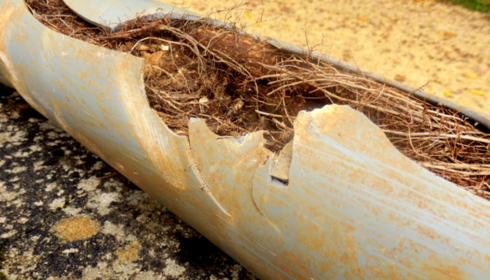
You wouldn’t think something as gentle as tree roots could break into solid pipes, but they can—and they do it often. Plants are sneaky. Their roots are constantly hunting for moisture, and your sewer line is practically a buffet. A small crack is all it takes, and before you know it, roots are weaving through the pipe, trapping waste and breaking down the structure from the inside out.
This phenomenon is called root intrusion, and it’s one of the leading causes of recurring sewer issues in older neighborhoods with mature trees. It doesn’t matter if you’re in a quaint cottage or a 10-unit building—roots don’t discriminate.
You might notice your toilet gurgles every time it rains or your yard has a wet patch that won’t dry. Those subtle signs? Yeah, they’re not so subtle once you know what they mean. Getting ahead of root growth before it chokes your pipes is one of the smartest moves a homeowner (or business owner) can make.
Business Pipes Need Love Too
Residential sewer issues get all the attention, but imagine the havoc a blocked line could cause in a restaurant, warehouse, or office building. One clogged toilet is a nuisance. Three clogged urinals during lunch rush? A nightmare.
That’s why commercial sewer service exists as its own category. These aren’t one-size-fits-all fixes. Commercial systems often deal with more usage, heavier waste loads, and more complex routing than residential lines. And when something goes wrong, it doesn’t just inconvenience a household—it can shut down operations, cost thousands in lost business, and lead to liability issues.
From large-scale hydro jetting to scheduled preventive maintenance, commercial sewer care is all about staying ahead of the curve. Because in business, downtime is money down the drain.
Cameras Don’t Lie (And They Save You a Lot of Digging)
Back in the day, diagnosing a sewer issue meant guesswork and a whole lot of digging. But now? Plumbers can send a waterproof camera down your pipes, get a crystal-clear view of the problem, and give you options based on evidence—not hunches.
Seeing is believing. Whether it’s a collapsed pipe, a grease blockage, or something that shouldn’t be down there (looking at you, “flushable” wipes), the camera doesn’t just identify the problem—it proves it. That kind of transparency builds trust, saves money, and gives homeowners peace of mind.
Preventive Care is Cheaper Than Emergency Repairs
Let’s talk about routine. No one likes calling a plumber, but waiting until there’s a crisis is the most expensive way to deal with your sewer.
A simple annual inspection and jet cleaning can prevent thousands in damage. That weird smell from your kitchen sink? Could be the early sign of a deep clog. That bubble in the toilet when the washer drains? Yeah, not normal.
Catch the symptoms early. Do the maintenance. It’s like going to the dentist—nobody loves it, but everyone loves avoiding a root canal (or in this case, a sewer excavation).
When to Call (Hint: Sooner Than You Think)
If you’ve got more than one slow drain in the house, standing water around your floor drains, or hear mysterious gurgles when nothing’s running—those are all signs your sewer’s trying to tell you something.
Other red flags include:
- Foul smells from drains
- Toilets that back up unpredictably
- Soggy or greener-than-usual patches in the yard
- Drains that make strange noises when appliances are used
The truth? If you think something might be wrong, you’re probably right.
Not All Sewer Fixes Require Digging Up the Yard
Thanks to trenchless technology, many pipe repairs can now be done with minimal disruption. Relining, pipe bursting, directional boring—these aren’t just industry buzzwords, they’re real-world solutions that mean less mess, faster timelines, and no giant craters in your landscaping.
If your plumber immediately reaches for the backhoe, it’s okay to ask, “Is there a less invasive way?”
Final Thoughts: Out of Sight Shouldn’t Mean Out of Mind
It’s easy to forget about the sewer system when everything’s flowing smoothly. But when the system beneath your feet starts to groan, bubble, or outright refuse to cooperate, it suddenly becomes your #1 concern.
The good news? Most sewer disasters are preventable. With a bit of awareness, proactive maintenance, and a good relationship with a trusted plumbing professional, you can avoid the gross, costly chaos that happens when we ignore what’s going on underground.