

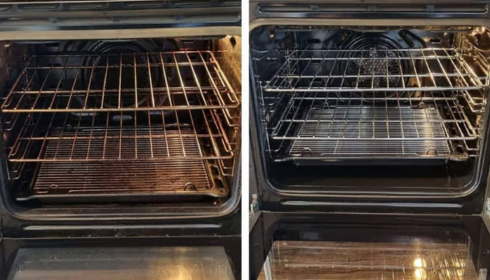

You know that feeling when you’re finally ready to make something delicious, preheat the oven, and then—bam—a smell hits you. Not a cozy, buttery, “dinner’s almost ready” kind of smell. Nope. It’s something…off. Sharp. Chemical. Maybe even burnt or metallic. It stops you in your tracks, eyebrows raised, oven door half open. You think, “Wait, why does my oven smell weird?”
You’re not alone. This little mystery has happened to just about everyone who’s ever baked a frozen pizza or roasted a chicken. And yeah, sometimes it’s harmless. But sometimes, it’s a sign something’s not quite right.
So let’s talk about it—human to human, no tech-speak or robotic how-tos. Just real answers and advice from someone who’s been there, nose-first.
Not All Oven Smells Are Created Equal
Let’s start here: ovens have smells. Especially if they’re new, haven’t been cleaned in a while, or are going through a first-time high heat cycle. That’s normal-ish. But what’s not normal is when the smell lingers or feels like something might be burning that…shouldn’t be.
If you’re asking yourself, “why does my oven smell weird”, there are a handful of usual suspects you can check before calling in backup. But before diving into diagnostics, a quick tip—don’t ignore that gut feeling. If something feels off, it probably is.
First: Is It a New Oven?
If your oven is fresh out of the box, that smell is probably from manufacturing residues burning off. Things like protective oils, factory coatings, or even bits of insulation catching heat for the first time can give off an industrial, chemical scent.
This is usually harmless, but let’s be real—it’s not pleasant. To deal with it, crank the oven to a high temp (say, 400°F) and let it run empty for 30-60 minutes with a window cracked. The odor should fade after a session or two.
And maybe…order takeout while you’re at it. No one wants weird fumes in their lasagna.
Is There Something Hiding In There?
Here’s a sneaky one: something spilled, fell, or got left behind without you noticing. Maybe last week’s mozzarella drip hit the bottom and is now slowly carbonizing. Or there’s a bit of foil that slipped under the element and is now crackling into oblivion.
When an oven smells weird, burnt food gunk is often to blame. It doesn’t take much—just a little oil or sauce in the wrong spot, and you’ve got a smoky, bitter aroma that’ll haunt every roasted vegetable you make.
Quick fix? Let the oven cool, grab a flashlight, and take a good look around. Pull out the racks, check beneath the heating elements, and give everything a good wipe. If your oven has a self-clean mode, now might be the time—but only if you can handle the temporary stink it brings.
Electric Ovens Have Their Own Quirks
If you’re using an electric oven and notice a harsh, almost metallic scent, you might be dealing with wiring or heating element issues. That doesn’t mean something is about to explode—but it’s worth checking out.
Sometimes a new element burns off protective coating, but if it keeps happening, or the element is visibly discolored, warped, or sparking (yikes), it’s best to shut it down and call a pro.
And hey, peace of mind is worth the service fee.
Is It Gas? Take This Seriously.
Now, if you’ve got a gas oven and the smell is strong, sulfuric, or vaguely eggy—it could be gas. Or at least a gas-related leak. This is not the time for DIY experiments or sniff tests. Turn off the oven immediately, ventilate the area, and if you’re truly worried, call your gas provider or local fire department.
Sometimes gas ovens give off a weird smell during ignition or just after lighting—that’s often okay. But if it doesn’t fade fast or comes on strong when there’s no reason for it, trust your instincts.
When in doubt, better safe than sorry.
So, What’s That Lingering Funk?
Even after cleaning and airing things out, sometimes there’s still a weird smell from oven that you just can’t shake. It might smell stale, sour, or just…off.
At this point, check the drip pan (if your oven has one), and give the door seals and the crevices a good clean. Odors can hide in those rubbery folds, especially if anything ever spilled down the front.
You can also place a small dish of baking soda or vinegar inside (while the oven’s off) to help absorb stubborn smells overnight. It’s an old-school trick, but it works.
And remember: seasoning cast iron in your oven, storing pans inside it, or using non-oven-safe containers can all lead to funky odors too.
When the Smell Stays, But You Can’t Find a Cause
Okay, so you’ve checked for spills, cleaned the heck out of it, aired it out, even did a trial bake. But still, that odd smell lingers every time you heat things up. At this point, it might be internal buildup—think insulation or hidden components holding on to residue.
You might not be able to access these parts without taking things apart (which, let’s be honest, most of us won’t do). That’s when calling a technician starts to make sense.
And hey, a professional eye might spot something that would’ve gone unnoticed otherwise.
Final Thoughts: Trust Your Nose
Weird smells in the kitchen are part of the deal sometimes, but your oven shouldn’t make you feel like you’re breathing fumes every time you roast potatoes. It should feel safe, clean, and honestly, a little cozy. If it smells toxic, chemical, or sharp, pay attention. Your nose is one of your best tools in the kitchen—it knows when something’s not right.
So whether you’re dealing with a minor burnt-cheese incident or wondering why does my oven smell weird every time you turn it on, give it a little attention. A clean, healthy oven makes cooking feel like a joy again, not a chore filled with worry.
Bonus Tip: Make It Smell Like Home Again
Once the weirdness is gone, try baking something aromatic just for fun. Cinnamon rolls, roasted garlic, or even a simple sheet of lemon slices with vanilla extract. Let your kitchen reset. Let it feel warm again.
Because when the oven smells right—your whole house does too.