


Let’s face it — water is supposed to be life-giving, not life-complicating. But if you’ve ever struggled with cloudy glassware, soap that won’t lather, or crusty buildup on your showerhead, you already know that not all water is created equal. The sneaky culprit? Hard water. It’s the quiet little menace running through your pipes, loaded with minerals like calcium and magnesium that wreak havoc over time.
And here’s the kicker: most people don’t realize just how much damage it’s doing until it’s too late. From clogged appliances to itchy skin, the effects ripple through your daily life. But there’s hope — and you don’t have to overhaul your plumbing system or move to a rainforest. You just need the right approach, a bit of patience, and a few practical changes.
What Exactly Is Hard Water?
At its core, hard water is simply water that contains a higher concentration of dissolved minerals — primarily calcium and magnesium. These minerals aren’t necessarily harmful to your health (some might even say they’re good in moderation), but they sure are tough on your plumbing, appliances, and even your skin and hair.
Imagine pouring mineral water through every faucet, shower, and washing machine load for years on end. That’s what your house deals with daily if you’re in a hard water zone — and millions of homes in North America are.
The Silent (But Expensive) Effects of Hard Water
You might be wondering, “If I can’t see it, is it really that bad?” Oh yes, it is. Just because you’re not seeing a gushing leak doesn’t mean your home isn’t bleeding money and efficiency.
Hard water shortens the lifespan of everything it touches — dishwashers, water heaters, coffee makers, pipes, the list goes on. It causes soap scum on tiles and dulls fabrics in the laundry. You may even notice your skin feels drier, your hair less shiny. That’s not just age — it’s mineral warfare.
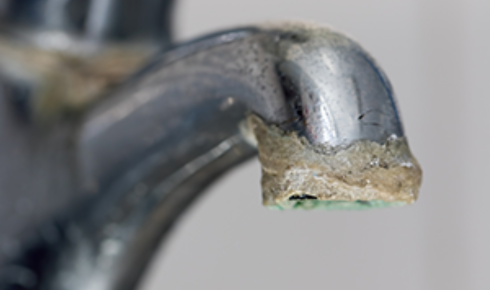
And let’s not forget about limescale — that chalky white residue that forms inside your kettle or coats your showerhead like a stubborn ghost. These deposits are a nightmare for home maintenance. That’s why people go searching for scale buildup solutions that can keep things running smoothly and extend the life of their investments.
Why Traditional Fixes Don’t Always Work
Many people think buying descaling agents or installing a basic water filter will fix the problem. Some even rely on vinegar soaks or elbow grease. While these may help short-term, they don’t address the core issue — the mineral content flowing through your system day in and day out.
Filtering water for drinking is nice, but what about the water you bathe in? Or wash clothes with? Or run through your heater? Hard water doesn’t limit itself to one pipe. It’s everywhere. Which means any real solution has to be holistic.
Here’s Where Water Softeners Come In
Water softeners are like the quiet heroes of modern homes. Instead of just masking the problem, they actually fix it by removing the minerals that cause hardness. Most systems use a process called ion exchange — swapping out calcium and magnesium ions with something less abrasive, like sodium or potassium.
The result? Noticeably softer water throughout home that feels smoother on your skin, lets your soaps and shampoos lather properly, and leaves your faucets looking like they belong in a showroom, not a salvage yard.
Of course, not all softeners are created equal. Some are salt-based, others salt-free. Some require maintenance, others are virtually hands-off. The key is finding the right system for your lifestyle, water usage, and long-term budget. You’ll thank yourself every time you take a shower or pull fresh, soft towels from the dryer.
It’s Not Just About Comfort — It’s About Cost
Let’s talk numbers for a second. According to multiple studies, hard water can reduce the efficiency of water heaters by up to 48%. That’s almost half your energy cost for heating water down the drain, literally. Not to mention the repair bills for clogged pipes, burned-out heating elements, and prematurely dead washing machines.
Once you factor in cleaning products (you’ll use more soap, more detergent, more scrubbing agents), the cost of doing nothing adds up quickly. Installing a quality water softener often pays for itself in just a few years. That’s not just good for your wallet — it’s peace of mind.
Is There a More Natural Approach?
Some homeowners are hesitant about traditional softeners, especially salt-based systems. That’s fair. If you’re trying to avoid adding sodium to your water or simply want a more eco-friendly option, there are alternative methods.
For instance, newer systems use template-assisted crystallization (TAC), where the minerals aren’t removed, but changed into a harmless crystalline form that doesn’t stick to surfaces. These systems don’t require salt or backflushing and are considered low-maintenance.
Another route is using polyphosphates, which are added to the water to coat your pipes and prevent scaling. They don’t change the water’s hardness but reduce its damaging effects. These methods work best in moderate hard water areas — not extreme cases.
Regardless of the method, the goal remains the same: to neutralize calcium and magnesium before they cause more problems.
How to Tell If You Have Hard Water (Without a Lab)
You don’t need a PhD to spot hard water issues. If your soap doesn’t lather, your shower glass is streaky no matter how much you scrub, or your clothes feel stiff after washing — that’s a red flag. Water spots on dishes, increased water heating costs, and irritated skin are other common clues.
For a more scientific answer, you can pick up a DIY water hardness test strip at most hardware stores. Or have a professional test done if you’re considering a whole-house solution. Knowing your grains per gallon (gpg) will help you pick the right system.
So, Should You Do Something About It?
Absolutely — but not out of panic. Think of it like investing in a better mattress. You might get by without it, but why suffer if you don’t have to?
Whether you go for a full-blown softener or a more targeted fix, reducing hard water’s grip on your home can improve everything from your laundry routine to your plumbing bills. You’ll spend less time cleaning and more time enjoying life.
Plus, once you’ve experienced true soft water — that silky feel on your skin, the brighter clothes, the sparkling dishes — it’s hard to go back. And really, why should you?
Final Thoughts
Hard water may be invisible, but its effects are painfully visible over time. The good news? You’re not powerless. With a bit of knowledge and the right tools, you can reclaim your appliances, protect your plumbing, and finally have water that works with you, not against you.
Whether you’re after cleaner hair, longer-lasting appliances, or just a break from the endless scrubbing — there’s a solution out there that fits your lifestyle. So maybe today’s the day to stop tolerating hard water and start treating your home to the quality it deserves.