


We spend a lot of time thinking about the air we breathe and the food we eat. We research ingredients, compare brands, check reviews. But water? The thing that runs through our homes every single day? That often gets overlooked.
Until it doesn’t.
Maybe you notice a faint chlorine smell when you turn on the tap. Maybe your shower leaves your skin feeling dry. Or maybe your coffee just doesn’t taste quite right anymore. These aren’t dramatic emergencies, but they’re nudges. Quiet reminders that water isn’t as simple as we assume.
And once you start paying attention, it’s hard to ignore.
The Subtle Signs That Add Up
Water issues rarely announce themselves loudly. Instead, they build slowly.
Spots on glassware. Scale buildup around faucets. Laundry that feels a bit stiff. Appliances that don’t seem as efficient as they used to be. Sometimes it’s just a taste you can’t quite describe.
This is where home water filtration starts to make sense—not as a luxury, but as a practical solution.
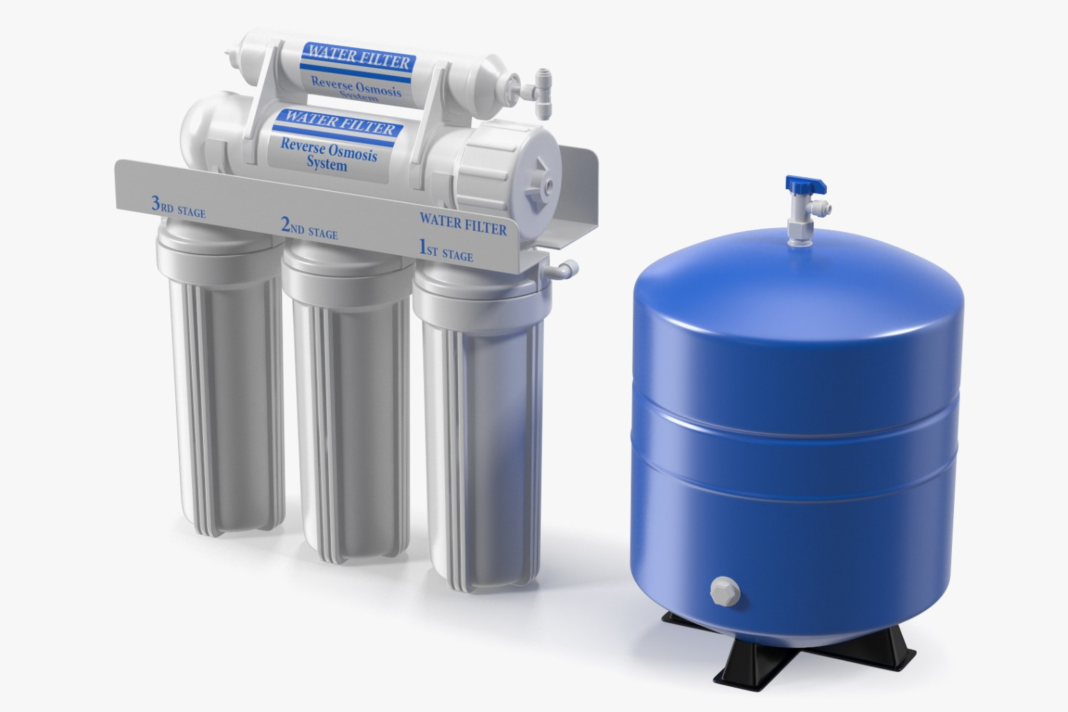
Filtration systems are designed to remove common impurities like sediment, chlorine, and certain dissolved particles. The goal isn’t to create “perfect” water. It’s to create consistent, reliable water that supports daily life instead of quietly complicating it.
And when filtration is matched to your specific water profile, the difference feels natural. You stop second-guessing your tap. You cook without hesitation. You fill a glass without thinking twice.
Installation Isn’t Just About Equipment
It’s easy to assume you can buy a system online, install it yourself, and call it a day. In some cases, that works. But water systems are connected to plumbing, pressure levels, and usage patterns that vary from home to home.
That’s where expert installation becomes more than a technical detail.
A trained professional evaluates your water source, your plumbing layout, and your household’s water usage before recommending a setup. They ensure the system is sized correctly—not too large, not too small. They check for pressure compatibility. They make sure everything integrates seamlessly.
The result isn’t just proper performance. It’s peace of mind.
Because the best systems are the ones you rarely have to think about.
Maintenance: The Quiet Commitment
Once a system is installed, the work isn’t over. But it’s not overwhelming either.
Like any appliance, water systems need occasional attention. Filters must be replaced. Softeners require salt. Components benefit from periodic inspections.
This is where system maintenance becomes essential.
Neglect doesn’t usually cause immediate failure. Instead, performance declines gradually. Water pressure drops slightly. Taste shifts. Efficiency decreases. And because the changes are subtle, they’re easy to ignore.
Routine maintenance prevents that slow fade.
Think of it like servicing your car. You wouldn’t skip oil changes and expect the engine to thrive indefinitely. Water systems are similar. A little consistency goes a long way.
Avoiding the Overcomplication Trap
One common mistake homeowners make is assuming they need every available solution.
Filtration, softening, UV treatment, reverse osmosis—there’s a long list of options. But not every home requires all of them.
The key is testing.
Understanding your water’s hardness level, chlorine content, and sediment presence helps narrow down what’s actually necessary. Sometimes a simple carbon filter solves the issue entirely. Other times, layered systems make sense.
But decisions should be driven by data, not marketing.
The Emotional Side of Better Water
There’s something quietly reassuring about trusting your tap.
You stop buying bottled water out of habit. You don’t hesitate when guests ask for a glass. You notice that showers feel smoother and dishes rinse cleaner.
It’s not flashy. It’s not dramatic. It’s just… better.
And that feeling—of reliability—adds comfort to everyday routines.
Protecting More Than Just Taste
Clean, balanced water doesn’t only improve drinking experience. It protects your home’s infrastructure.
Mineral buildup can reduce the efficiency of water heaters. Sediment can strain appliances. Inconsistent water pressure can stress plumbing connections.
By addressing these issues early, you extend the lifespan of expensive equipment. You reduce repair costs. You maintain consistent performance across fixtures.
It’s preventative care for your home’s unseen systems.
Choosing the Right Partner
The quality of your water system depends not only on equipment but on the company behind it.
Look for providers who begin with testing. Those who explain options clearly. Those who emphasize service and maintenance instead of just selling hardware.
A trustworthy partner doesn’t oversell. They tailor solutions to your needs and remain available long after installation day.
Because water treatment isn’t a one-time event—it’s an ongoing relationship.
Final Thoughts
Water flows through every part of your home, shaping daily life in ways that are easy to overlook.
By investing in thoughtful home water filtration, ensuring expert installation, and committing to regular system maintenance, you create a foundation of reliability and comfort.
It’s not about chasing perfection. It’s about eliminating the small irritations that build over time. It’s about making sure something as basic as water works exactly as it should.
And when it does, you won’t think about it much at all.
Which, in the end, is probably the best outcome you could hope for.