There’s something beautifully old-school about having your own water source. No monthly water bills. No worrying about city-wide outages. Just your own private supply beneath your feet. But as comforting as that sounds, the truth is — well water systems aren’t as hands-off as some folks might think.
If you’re living in a home that relies on well water, chances are, you already know the unique perks… and quirks. But to really make the most of your setup — and avoid the headaches that come when things go south — it helps to understand what’s working quietly behind the scenes.
Let’s dig a little deeper.
Not Just a Hole in the Ground
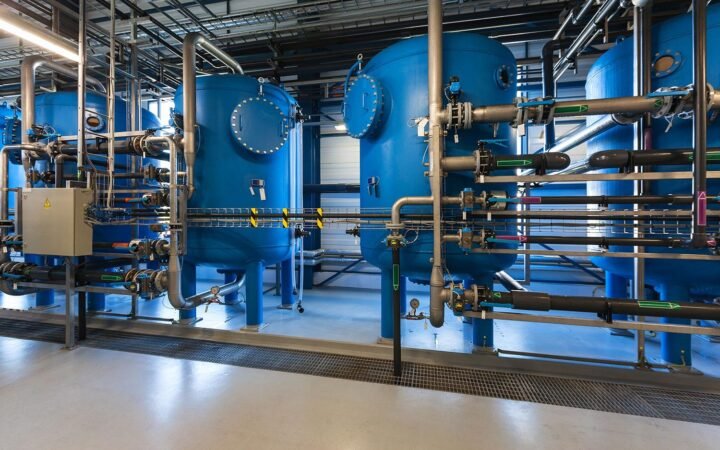
A well water system isn’t just a pipe going down into the earth and magically pulling up clean water like in a cowboy movie. There’s real engineering going on down there. And modern systems, while efficient, still need the right balance of components to work smoothly. That includes things like filters, pumps, storage tanks, and pressure regulators — each playing a specific role.
What’s wild is how many people trust their water quality without understanding how their system operates. But a little know-how can go a long way in spotting issues early, saving money, and keeping your water safe and drinkable.
The Unsung Hero: Your Pressure Tank
Let’s talk about one of the most overlooked parts of the whole setup — the pressure tank. You’ve probably seen it — that big metal cylinder sitting somewhere in the basement or a well house. It doesn’t look particularly impressive, but it’s quietly keeping your water flowing reliably.
Pressure tanks help regulate water pressure, reduce wear and tear on your pump, and store a small supply of pressurized water. Without them? Your pump would be kicking on every time you so much as wash your hands, and that’s a surefire way to burn it out fast.
These tanks come in various sizes and types — galvanized, diaphragm, and bladder. Each has its pros and cons, but they all serve the same purpose: to maintain consistent pressure so your faucets don’t sputter like a dying garden hose.
If you’ve ever noticed your water pressure randomly dropping, or your pump cycling too often, your pressure tank might be trying to tell you something.
When Distance and Elevation Play Games with Water
Picture this: your well’s in the backyard, your house is up on a small hill, and you’ve got a big garden out back that needs watering. Sounds idyllic — until your water pressure starts acting up.
That’s where booster pumps come into play.
Booster pumps help increase water pressure in situations where distance, elevation, or multiple fixtures are putting a strain on the system. Maybe you’ve added a new bathroom, or you’ve got sprinklers running while someone’s showering. Instead of low-pressure frustration, a booster pump steps in and gives your flow a much-needed nudge.
You can install these right after the pressure tank or at specific points in the home where you’re seeing pressure issues. They’re not always necessary, but when they are, they can make a world of difference in daily comfort.
Maintenance Isn’t Just a “Nice to Have”
It’s easy to forget about your well system when everything seems fine. No visible leaks. No funky smells. Water’s running. All good, right?
Not quite.
Sediment buildup, bacteria growth, pH imbalances, and even iron or manganese deposits can slowly degrade your system without you even noticing. And since no one’s monitoring your private well like a municipal system would, the responsibility for testing and upkeep falls entirely on you.
A simple test kit can help you monitor water quality for things like nitrates, bacteria, and hardness. And scheduling a yearly inspection with a well pro can help spot issues before they become emergencies.
It’s Not Always the Equipment — Sometimes It’s the Setup
Here’s something homeowners don’t hear enough: even good equipment won’t work well if it’s installed wrong.
You could have top-tier pumps, tanks, and filtration gear, but if the system wasn’t designed with your specific water table, household demand, and elevation in mind, you’ll run into problems. That’s why it pays (literally) to work with a reputable installer or at least consult one when making upgrades.
Some folks try DIY fixes — and hey, more power to you — but remember that plumbing and hydraulics are as much about strategy as they are about tools. A poorly sized pipe or a misconfigured check valve can lead to headaches down the road.
When the Water Tastes “Off”
Sometimes the first sign of trouble is subtle — maybe your morning coffee doesn’t taste quite right. Or your laundry feels stiff even with softener. These little red flags can be signs of mineral imbalances, bacterial growth, or even well contamination from surface runoff.
It’s a good idea to have your water tested professionally every 1–2 years, even if everything seems fine. Think of it like a dental check-up: better to catch a cavity early than wait until you’re in pain.
And if your water has a sulfur smell, orange tint, or tastes metallic, don’t just learn to live with it. Those are fixable — often with better filtration or aeration systems.
Water Wisdom Goes a Long Way
When it comes down to it, owning a well water system is a lot like owning a vintage car. It’s yours. It’s reliable — mostly. And when it runs well, it runs really well. But it needs a bit of love and attention now and then.
Regular maintenance, understanding your pressure setup, and knowing when to call in the pros can extend the life of your system by years. Plus, it ensures your water stays safe, fresh, and consistent.
If you’re new to well ownership, don’t be intimidated. There are tons of resources out there, and once you get the hang of it, managing your system becomes second nature. The more you learn, the more you realize it’s not about fixing problems — it’s about preventing them.
Final Thoughts
Water is one of those things we all take for granted — until something goes wrong. And with private wells, it’s up to you to make sure nothing does.
Take time to understand how your system works. Invest in quality components. Get your water tested regularly. Pay attention to the little signs — the drips, the drops in pressure, the tastes and smells.
Whether it’s maintaining your pressure tanks, adding booster pumps for that extra push, or re-evaluating the design of your well water systems, a little proactive care makes all the difference.
Because when your water system runs smoothly, everything else in your home just feels… right.