


If you’ve ever toured a manufacturing plant or processing facility, you know the rhythm. Conveyors humming. Boilers pulsing. Control panels flickering with quiet intelligence. It all feels orchestrated—almost effortless.
But here’s the truth most people don’t see: smooth operations are rarely effortless. They’re built on consistency. On vigilance. On the kind of behind-the-scenes care that doesn’t make headlines but absolutely makes a difference.
Cleanliness, in industrial environments, isn’t cosmetic. It’s operational.
Clean Equipment Is Productive Equipment
Residue builds up. Dust settles. Grease collects in places no one notices—until they do.
Over time, even minor accumulation can interfere with equipment efficiency. Heat transfer declines. Moving parts strain. Sensors misread data. What starts as a thin film becomes friction. And friction becomes downtime.
That’s where structured industrial cleaning comes in. This isn’t about sweeping floors or wiping down surfaces. It’s targeted cleaning designed to protect machinery, prevent corrosion, and reduce operational interruptions.
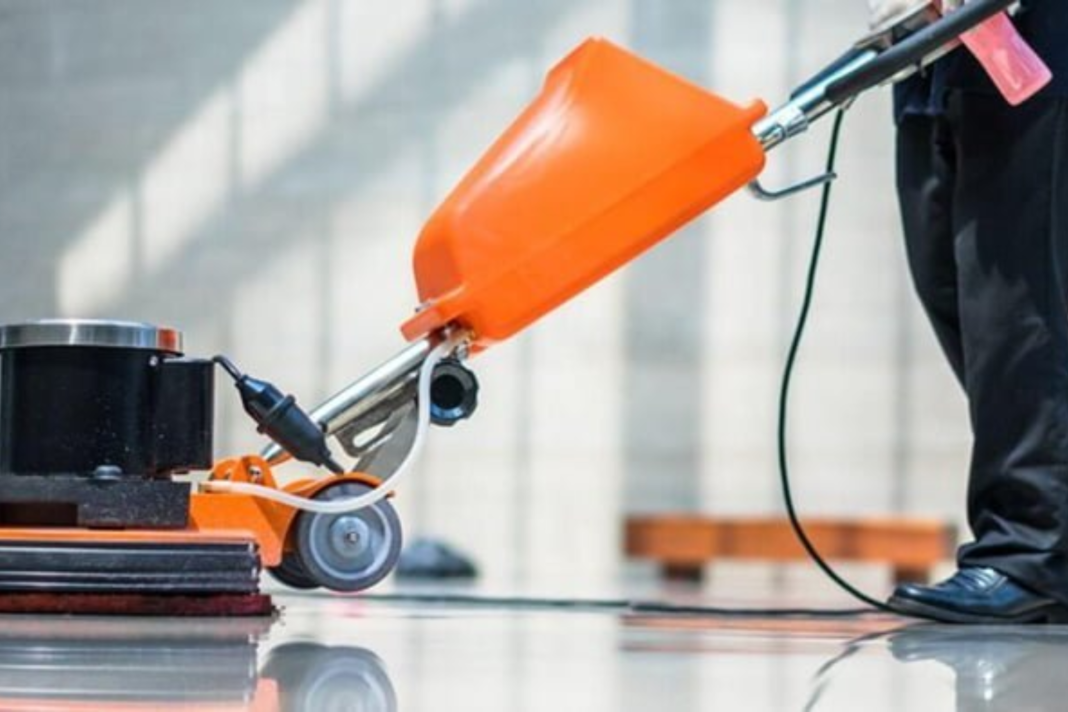
Specialized teams use high-pressure systems, chemical treatments, and mechanical tools to remove buildup that could compromise performance. They access confined spaces and clean areas that everyday staff simply can’t.
It’s detailed work. Often messy. Always necessary.
The Connection Between Cleanliness and Safety
In industrial settings, safety isn’t a suggestion—it’s a requirement.
Oil on the floor can become a slip hazard. Dust accumulation can pose fire risks. Chemical residue left unattended can create exposure concerns.
Clean environments reduce these risks significantly.
Beyond compliance standards, there’s a simple human element at play. Employees perform better in spaces that feel maintained. When a facility is visibly cared for, it sends a subtle message: we value safety here.
And that message matters.
Maintenance Is More Than Repairs
There’s a misconception that maintenance only happens when something breaks. In reality, the best facilities treat upkeep as an ongoing practice, not a reaction.
Proactive industrial maintenance includes scheduled inspections, lubrication of components, calibration of systems, and yes—cleaning integrated into broader service routines.
The relationship between cleaning and maintenance is tighter than many realize. Removing buildup often reveals early signs of wear. Inspecting cleaned surfaces makes cracks or corrosion easier to detect.
Maintenance isn’t dramatic. It’s deliberate.
And deliberate systems rarely fail without warning.
The Role of Plant-Level Strategy
Large facilities operate as ecosystems. One department’s inefficiency can ripple into others.
Comprehensive plant cleaning strategies take a holistic view. They address ventilation systems, storage tanks, production lines, and utility areas in coordinated cycles.
Instead of waiting for issues to escalate, facility managers schedule shutdown windows for deep cleaning and inspection. It may temporarily pause production, but it prevents longer disruptions later.
In many industries, this strategic downtime is simply part of smart management.
Efficiency Gains You Don’t Always See
Clean systems run smoother. It’s a simple concept, but the impact is measurable.
Heat exchangers free of scale transfer heat more effectively. Filters cleared of debris allow better airflow. Production lines free of residue experience fewer jams.
These small improvements compound.
Energy usage declines. Repair frequency drops. Equipment lifespan extends. When calculated over months or years, the financial return on regular cleaning and maintenance often exceeds expectations.
What looks like an expense on paper becomes a long-term savings strategy.
Compliance and Documentation
Regulatory bodies often require documented cleaning and maintenance schedules, especially in sectors like food processing, pharmaceuticals, and chemical manufacturing.
Consistent cleaning logs demonstrate accountability. They show that a facility isn’t just reactive—it’s organized.
Failing inspections can result in fines or operational shutdowns. Passing them, on the other hand, reinforces credibility.
Documentation may not be glamorous, but it’s powerful.
Sustainability and Environmental Responsibility
Modern industrial cleaning isn’t just about removing dirt—it’s about doing so responsibly.
Many service providers now use eco-conscious cleaning agents and water-efficient methods. Waste generated during cleaning is handled according to environmental standards.
Responsible cleaning reduces environmental impact while protecting infrastructure.
Sustainability isn’t an afterthought anymore. It’s woven into operational decisions.
Culture Starts with Care
Walk into two different facilities and you’ll feel the difference immediately.
One may feel chaotic—cluttered workstations, dusty corners, visible neglect. The other feels structured and intentional.
That difference isn’t accidental.
Clean, well-maintained facilities often reflect strong leadership and organized management practices. They signal pride in operations.
And pride influences performance.
Employees are more likely to respect equipment that looks respected. They’re more likely to follow procedures in environments where procedures are clearly valued.
Planning Ahead
The smartest facilities don’t wait for visible problems. They plan cleaning cycles around operational schedules. They coordinate maintenance teams in advance. They evaluate cleaning effectiveness regularly.
This forward-thinking mindset reduces emergency repairs and extends asset longevity.
It’s not about perfection. It’s about prevention.
Final Thoughts
Industrial operations depend on machinery, systems, and people working together seamlessly. But that seamlessness doesn’t happen by accident.
Behind every efficient plant lies a disciplined commitment to cleaning and maintenance. It’s not flashy. It won’t win design awards. But it keeps operations stable, safe, and productive.
In the end, cleanliness in industrial settings isn’t about appearances.
It’s about performance.
And performance—steady, reliable, and sustainable—is what keeps industry moving forward.