

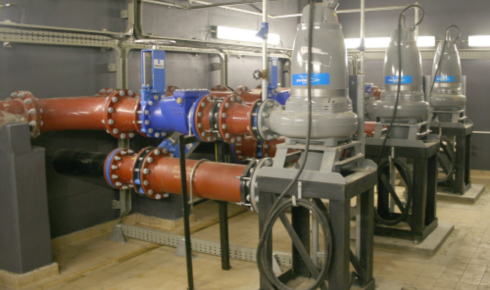

There’s a kind of quiet dignity to the systems that keep our cities running. The ones we rarely notice until something stops working. Pumps that hum along in the background. Pipes that carry water and waste like veins beneath the skin of a neighborhood. Systems so fundamental that their silence equals success.
We don’t often talk about infrastructure like it’s personal. But maybe we should. Because the choices made behind the scenes—what gets installed, how it’s maintained, who’s doing the work—actually shape the rhythm of our daily lives.
The Unsung Pulse of Modern Cities
If you’ve never given pump stations a second thought, you’re not alone. Most of us don’t. These humble installations move stormwater, sewage, and sometimes even drinking water through miles of underground networks. They work around the clock, often in tough conditions, to prevent flooding, contamination, and health risks.
But they’re not immune to time. Pumps age. Systems clog. Weather patterns shift. What worked a decade ago might be straining to keep up today. Which brings us to the hard truth: If we want resilient infrastructure, we can’t just build it and forget it. We have to evolve with it.
Not All Upgrades Are Flashy, But They Matter
Talk to anyone working in public works, and they’ll tell you—updates aren’t just about what’s broken. Sometimes they’re about what could break, or what’s quietly inefficient. Replacing outdated components. Adding monitoring tools. Rethinking flow paths. These small changes ripple outward.
System upgrades aren’t always obvious from the outside, but they show up in the details: less downtime, better response times, more efficient energy use. They make cities quieter, safer, cleaner. And they prepare communities for the storms—not just the literal ones, but the financial and environmental ones, too.
The best part? Most of the time, residents never even notice. That’s the goal.
There’s No Shortcut to Work Done Right
In an age where speed is celebrated and cost-cutting is expected, it’s tempting to go with the cheapest bid or the quickest timeline. But when it comes to infrastructure, that mindset can backfire—big time.
Pipes laid in haste crack faster. Corners cut on drainage lead to backups. Misaligned pumps burn out. And fixing those issues later? It’s always more expensive than getting it right the first time.
This is where quality workmanship separates the temporary from the timeless. Skilled crews who’ve seen what happens when things go wrong. Engineers who think not just in measurements, but in decades. Teams that take pride in a job most people won’t ever see.
You can’t automate that kind of care. It comes from people who understand the stakes.
Infrastructure Is a Story of People, Too
When we talk about water systems or power grids or roads, we often think in blueprints and budgets. But those systems exist to serve people. Families. Businesses. Communities trying to grow without losing what makes them livable.
Infrastructure decisions ripple through schools, neighborhoods, emergency services. A reliable pump station might be the reason a school doesn’t flood during a storm. A timely upgrade might mean a hospital never loses pressure during peak usage. It’s all connected.
And that connection? It deserves to be treated with as much thought as the systems themselves.
The Work No One Notices—Until They Do
Here’s the funny thing about great infrastructure: when it works, it disappears. It becomes background noise. We assume it’s just supposed to be that way.
But behind that smooth operation is planning. Labor. Maintenance logs. Upgrades scheduled months in advance. People in the field checking things in the rain, in the cold, under pressure.
So next time you drive past a fenced-off utility lot or see a crew digging near a sidewalk, know that what they’re doing is part of a much bigger story—one that’s quietly making your life easier.
A Thoughtful Ending for a Thankless Job
We don’t always get to choose when things break. But we do get to choose how we prepare. Whether we invest in updates now or deal with disasters later. Whether we choose fast fixes or long-term solutions.
Infrastructure isn’t sexy. It’s not something you show off on social media. But it’s the reason your home stays dry during a storm. It’s the reason you can trust the tap. It’s the foundation of everything we take for granted.
So here’s to the hidden systems. The hard hats. The quiet upgrades. The decisions made today that protect tomorrow.