


Let’s be honest — plumbing isn’t exactly dinner table conversation. It’s one of those things most people only think about when something goes really wrong. You know, like when your kitchen sink floods five minutes before guests arrive, or your shower turns into a sad, slow trickle. It’s only then we realize just how important it is to have a solid plumbing system — and even better, a plan.
But plumbing isn’t just about fixing what’s broken. Done right, it’s a craft. A foundational part of every home, every business. Whether you’re planning major residential remodels or tackling a simple fixture upgrade, plumbing deserves more than a passing glance.
Why Plumbing Deserves a Seat at the Planning Table
Imagine building a home from the ground up — or tearing out walls in a dusty fixer-upper to make it your dream place. So much focus goes into design, paint colors, tile choices. But guess what gets skipped or rushed? Yep — the plumbing plan.
Truth is, without a good plumbing setup, even the most beautiful bathroom is just expensive disappointment. Aesthetic is cool, sure. But functionality? That’s where peace of mind lives.
So whether you’re redoing a single room or plotting out an entire floorplan, involve your plumber early. They’ll save you money, time, and potentially a lot of swearing down the road.
Small Fixes or Full Overhauls: There’s an Art to It All
One of the reasons plumbing gets overlooked is because it’s invisible. You don’t see the network of pipes behind the walls. But trust me, when one tiny part fails, the whole system feels it.
That’s why it pays to approach even small plumbing projects with thought. Maybe you’re just swapping out an old faucet — cool. But while you’re in there, check water pressure, inspect shut-off valves, and peek at the pipes. Little things add up.
Same goes for more ambitious jobs — like re-routing lines, expanding kitchens, or adding a bathroom. These aren’t just DIY weekend gigs. Bring in the pros. It’s not overkill; it’s smart. They’ll see what you can’t, and plan for things that could ruin your week (or your floorboards).
The Not-So-Glamorous Side of Remodels
We all love a good “before and after” moment, but let’s not romanticize residential remodels too much. Behind those dreamy Pinterest boards lies real grit. Dust. Delays. Decisions. Lots of decisions.
One of the sneakiest, stress-inducing parts? The plumbing. Especially if you’re working with older homes where nothing is up to code and every pipe groans when you turn the water on.
Remodeling isn’t just about making things prettier. It’s a golden opportunity to upgrade what’s under the surface. Fix that leaky pipe once and for all. Replace the 30-year-old water heater. Add that filtration system you’ve always wanted.
It’s not flashy — but it’s the stuff that makes your home feel like it works. And really, isn’t that what we’re all after?
Commercial Plumbing: More Than Just Bigger Pipes
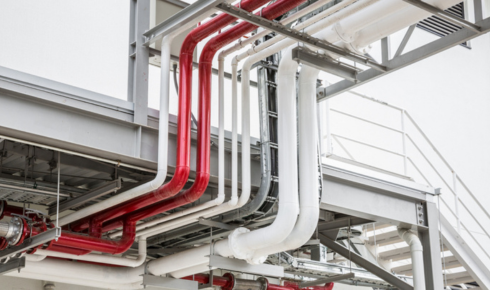
Let’s flip the lens for a second and talk about the unsung heroes of office buildings, restaurants, gyms, and retail spaces: commercial plumbing systems. These beasts operate under different rules — more people, more pressure (literally), more problems if something breaks.
Commercial installations aren’t just scaled-up versions of residential jobs. They’re a whole different animal. From ADA compliance to grease traps to industrial-grade fixtures, the stakes are high.
That’s why these jobs require a different level of expertise — one that blends code knowledge, logistics, and good ol’ hands-on experience. If you’re opening a business or managing a property, don’t skimp here. Invest in the right team from the start.
When Design Meets Drainage: The Plumbing-Style Balance
Believe it or not, plumbing has its own version of fashion trends. Brushed brass finishes. Wall-mounted toilets. Rainfall showerheads with LED lighting (yeah, it’s a thing).
The trick is balancing the look you want with the system that supports it. Just because something can be done doesn’t always mean it should. Your plumber isn’t there to squash your design dreams — but they will tell you if that high-end Italian fixture needs an adapter that doesn’t exist.
Function always has to meet form. And when they meet gracefully? That’s when you get bathrooms and kitchens that are both beautiful and bulletproof.
Saving Water (and Money) Without Trying Too Hard
Plumbing doesn’t have to be reactive. It can be proactive. Eco-conscious, even. Low-flow toilets and faucets, tankless water heaters, greywater recycling systems — these aren’t future fantasies. They’re available right now, and they make a difference.
Even little changes — like insulating pipes, installing aerators, or using leak sensors — can shave dollars off your water bill and give you a greener footprint. And let’s be honest: saving money and the planet? That’s a vibe.
What to Look For in a Plumbing Professional
Here’s the thing: you want someone who treats your home or business like their own. Who takes time to explain what’s going on, shows up when they say they will, and doesn’t disappear once the invoice is paid.
Look for licensing, sure. Experience matters, too. But even more important? Communication. Respect. Honesty. Plumbing might be technical, but trust me — it’s a people business at its core.
Tips You’ll Wish You Knew Sooner
Let’s wrap with a few takeaways you can use right away:
- Label your shut-off valves. Sounds obvious, but most people don’t.
- Know your water pressure. Too high? You’re shortening the life of your pipes.
- Don’t pour grease down the drain. Seriously, just don’t.
- Flush your water heater once a year. Sediment builds up — get it out.
- Have a go-to plumber. Waiting until there’s an emergency isn’t a plan.
The Final Flush
We all want homes and workspaces that feel effortless. That flow. That just work. But flow doesn’t happen by accident — especially not with plumbing. It takes planning, experience, and a bit of humility to know when to call in the pros.
So whether you’re knee-deep in plumbing projects, navigating tricky residential remodels, or overseeing complex commercial installations, one thing’s certain: water will always find the path of least resistance — and so should you.