


Most of us don’t think much about the water running through our homes. It’s just there—filling kettles, washing dishes, running through showerheads. It’s part of the background rhythm of everyday life. Until, of course, something feels slightly off.
Maybe your glass of water looks a little cloudy when you hold it up to the light. Maybe your coffee tastes different than it used to. Or maybe your skin feels dry no matter what soap you buy. These are small things. But they add up.
Water quality rarely announces itself loudly. It nudges you. It leaves subtle clues. And once you start paying attention, you realize how much it actually affects your daily routine.
When Clarity Becomes Noticeable
One of the first things homeowners observe is visual. Water should look clean, right? So when it appears murky or carries floating particles, it’s unsettling.
Cloudiness can come from air bubbles, sediment, or dissolved minerals. In some cases, it clears up quickly. In others, it lingers. Over time, that visual inconsistency makes you question what’s coming out of your tap.
That’s where improved water clarity becomes more than a cosmetic upgrade. It’s reassurance. Clear water feels safer, fresher, more trustworthy.
Sediment filters often address this issue by capturing fine particles before they circulate through plumbing fixtures. It’s a simple solution with a noticeable effect. Faucets stay cleaner. Showerheads clog less frequently. Even glassware looks brighter.
It’s a small shift—but one you’ll see every single day.
The Taste Factor No One Talks About Enough
Taste is subjective. Some people are more sensitive to it than others. But once you notice an odd flavor in your tap water, it’s hard to ignore.
Municipal systems treat water to meet safety standards, often using disinfectants like chlorine. While necessary, these chemicals can leave behind a faint aftertaste. Minerals can also influence flavor, especially in areas with hard water.
For many families, achieving better tasting water is reason enough to explore filtration options. Activated carbon filters are commonly used to reduce chlorine and organic compounds that affect taste and smell.
The difference can be subtle—or surprisingly dramatic. Coffee tastes cleaner. Tea doesn’t carry an edge. Even simple things like filling a reusable bottle feel more satisfying.
It’s not about turning your home into a lab. It’s about enjoying what you drink without second-guessing it.
The Hidden Impact on Plumbing and Appliances
Water quality doesn’t just affect what you see or taste. It quietly influences your plumbing system.
Mineral buildup can narrow pipes over time. Sediment can clog valves and reduce appliance efficiency. Water heaters, dishwashers, and washing machines all rely on consistent water conditions to function well.
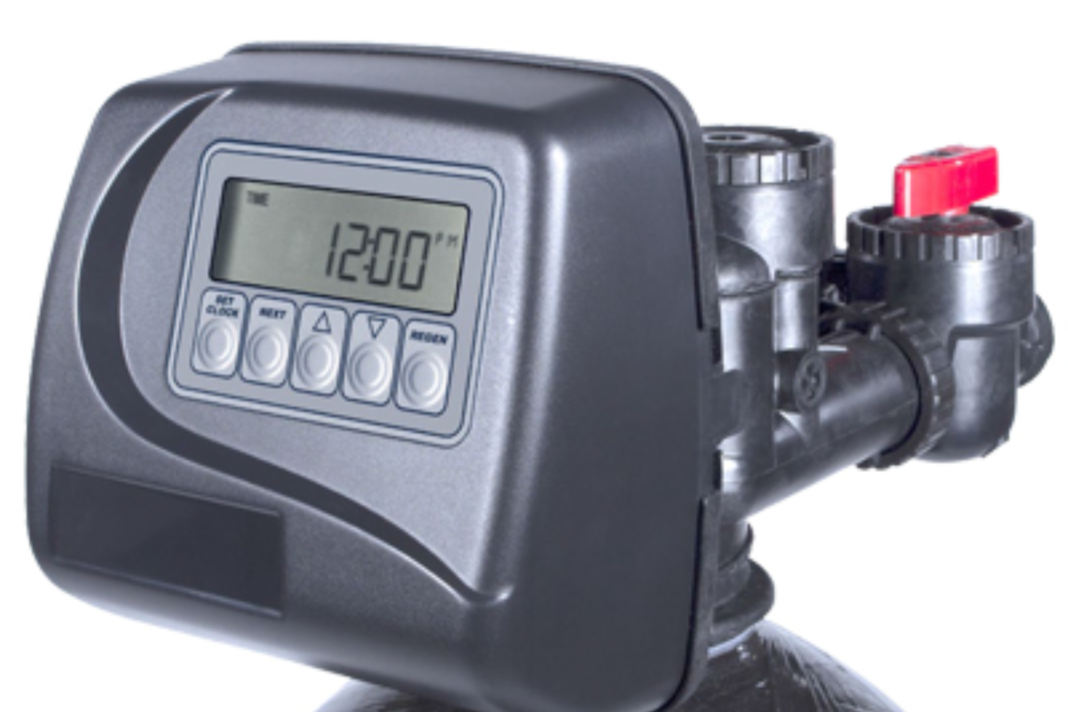
Investing in basic water protection measures—whether that’s filtration, softening, or a combination of both—can extend the lifespan of these appliances.
It’s not something you notice immediately. But over years, fewer repairs and improved performance make a difference.
Think of it like preventive maintenance for your entire home.
Starting With a Simple Water Test
Before installing any system, it makes sense to understand what you’re dealing with. A water test can reveal hardness levels, pH balance, chlorine content, and the presence of sediment.
Armed with real data, decisions feel less overwhelming. You’re not guessing. You’re responding to specific conditions.
For some homes, a straightforward filtration unit solves most concerns. For others, additional treatment may be worth considering.
The key is avoiding a one-size-fits-all mindset. Water varies from neighborhood to neighborhood, sometimes even house to house.
Maintenance Isn’t Complicated—But It Matters
Any water system requires upkeep. Filters need replacement. Softeners require salt refills. Ignoring maintenance reduces effectiveness over time.
Fortunately, most modern systems are designed for homeowner convenience. Maintenance schedules are predictable. Replacement parts are widely available.
The effort is minimal compared to the benefit of consistently clean, balanced water.
A Subtle Upgrade That Feels Meaningful
We often focus on dramatic home improvements—new countertops, upgraded appliances, fresh paint. But water quality improvements are quieter.
They don’t transform a room visually. They don’t show up in listing photos. But they influence everyday comfort in ways that are surprisingly personal.
Clearer showers. Brighter dishes. Coffee that tastes right. Skin that doesn’t feel tight after washing.
These aren’t luxury upgrades. They’re practical refinements.
The Confidence of Knowing What Flows Through Your Home
At the end of the day, water runs through almost every aspect of your household routine. It touches cooking, cleaning, bathing, and drinking.
Improving clarity and taste isn’t about chasing perfection. It’s about confidence.
When you turn on the tap and trust what flows out—when you see clear water, taste neutral freshness, and know your plumbing is protected—you experience a small but meaningful sense of control.
And in a world full of unpredictable variables, that kind of everyday reliability feels pretty good.
Sometimes the most impactful home improvements are the ones you barely notice—because they simply work.
Water should feel effortless. And with the right approach, it can.