


You don’t usually blame the water.
If your towels feel stiff, you assume it’s the detergent. If your skin feels tight after a shower, maybe it’s the weather. If there’s a cloudy film on your glassware, you figure the dishwasher’s getting old. Water rarely takes the fall. It just keeps flowing, quietly present in every corner of your home.
But sometimes, when you start connecting the dots, you realize that water might be the common thread.
Hard water — rich in minerals like calcium and magnesium — is common in many regions. It’s not dangerous, and most of us have lived with it for years without thinking much about it. Yet it influences so many daily experiences that when you finally address it, the difference can feel oddly satisfying.
Not dramatic. Just better.
Laundry That Actually Feels Clean
Let’s start in the laundry room, where hard water quietly does its thing.
Minerals interfere with how detergent dissolves and interacts with fabric. You might use more soap than necessary, thinking the extra scoop will compensate. But instead of solving the problem, it often leaves residue behind.
When water is treated properly, something changes. Colors seem brighter. Whites look crisper. Fabrics feel lighter. Many homeowners describe the result as cleaner laundry, even though they haven’t switched detergents or washing machines.
It’s subtle. You notice it when folding towels — they don’t feel stiff or slightly crunchy at the edges. Shirts drape more naturally. Bed sheets feel smoother.
And here’s the bonus: you often use less detergent. That small adjustment adds up over time, both financially and environmentally.
The Shower Test
If there’s one place you can truly feel the impact of water quality, it’s in the shower.
Hard water doesn’t rinse soap completely from your skin. Instead, it leaves behind a thin mineral layer that can contribute to dryness and irritation. Hair can feel dull or difficult to manage. You might find yourself reaching for heavier moisturizers, assuming it’s just seasonal dryness.
When mineral levels are reduced, many people notice softer skin almost immediately. Showers feel different — not dramatically so, but enough that you pause for a second and think, “Oh. That’s nice.”
Soap lathers more easily. Shampoo rinses out fully. Your skin doesn’t feel tight when you step out of the water.
It’s one of those everyday comforts you didn’t realize you were missing until it’s there.
The Bathroom Mirror Tells a Story
Then there’s the constant battle with soap scum.
Hard water reacts with soap to create that stubborn film on shower walls and glass doors. You scrub it away, and it comes back. Again and again. It’s not just annoying — it’s time-consuming.
Water treatment systems often lead to noticeably reduced soap scum, which means less scrubbing and fewer harsh cleaning chemicals. Shower doors stay clearer longer. Faucets don’t develop chalky buildup as quickly. Cleaning routines feel less like a chore and more like light maintenance.
And if you’re someone who appreciates a tidy bathroom, that visual clarity matters.
The Bigger Picture: Appliances and Efficiency
Beyond comfort and cleanliness, water quality influences the lifespan of your home’s plumbing and appliances.
Mineral buildup forms scale inside water heaters, dishwashers, and washing machines. Over time, that scale reduces efficiency. Appliances work harder, consume more energy, and may fail earlier than expected.
Treating hard water doesn’t just improve how things look and feel — it protects your investment. A water heater free from scale heats more efficiently. Pipes remain clearer. Dishwashers operate without internal mineral deposits restricting flow.
It’s preventative maintenance disguised as comfort.
Why We Get Used to “Good Enough”
The reason many people live with hard water for years is simple: it’s familiar.
If you’ve never experienced softer water, you assume stiffness in towels or dryness after showers is normal. You adapt. You buy stronger cleaners. You increase detergent. You accept it.
It’s only after experiencing a change that you realize how much the water was influencing daily routines.
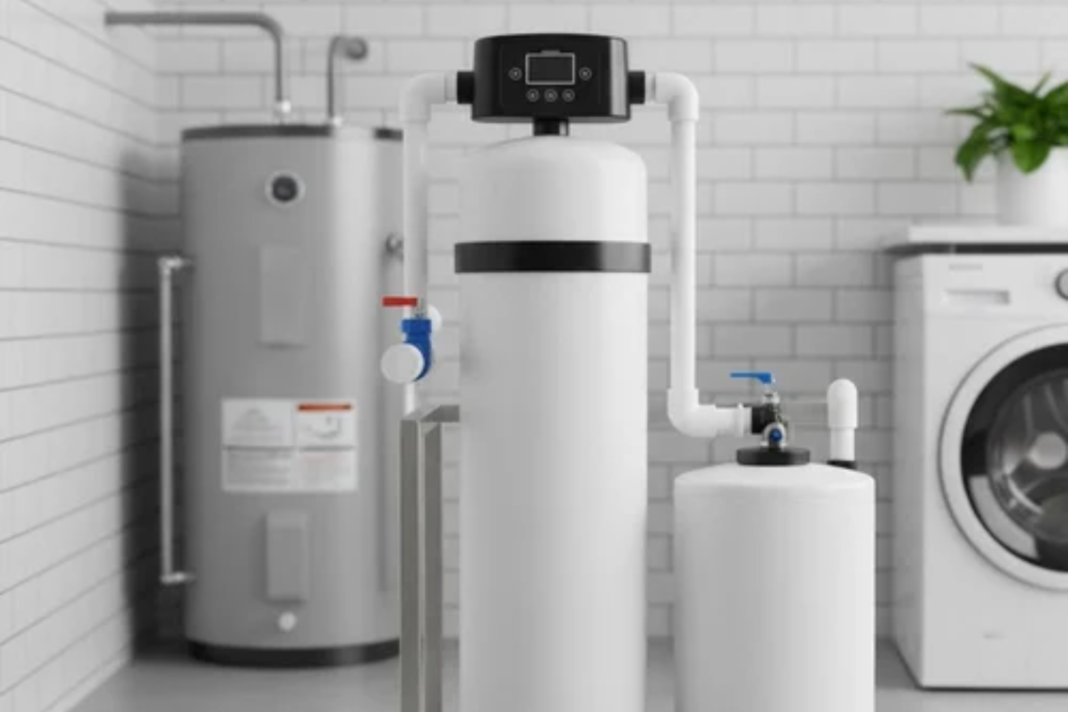
And it doesn’t require a massive overhaul. Modern water treatment systems are more compact and efficient than older models. Many operate automatically, regenerating at night and requiring only occasional salt refills or basic maintenance.
Testing Before You Decide
Of course, not every home has hard water. Regional differences matter. The smartest first step is testing. A simple water hardness test can reveal whether mineral levels justify treatment.
If the results show moderate to high hardness, exploring your options makes sense. If they don’t, you’ve saved yourself unnecessary expense.
Water quality decisions should be data-driven, not assumption-based.
The Quiet Upgrade That Changes Everything
We invest in visible upgrades all the time — fresh paint, new flooring, updated lighting. Those changes are satisfying because we see them.
Water improvements are different. They work in the background. No one compliments your water treatment system at a dinner party. But you’ll feel the difference every single day.
In the way your towels fold more easily. In how your skin feels after a shower. In the absence of chalky buildup on your fixtures.
It’s the kind of upgrade that doesn’t shout. It whispers.
And sometimes, the most meaningful changes in a home aren’t the ones everyone notices. They’re the ones that quietly make daily life smoother, cleaner, and just a little more comfortable.
When your water works the way it should, you stop thinking about it.
And that’s exactly how it’s meant to be.