


There’s something beautifully mundane about pouring yourself a glass of water. You turn on the tap, the stream flows, and you don’t really think twice — until you do. Maybe it tastes a little off. Maybe your skin feels dry after a shower. Or perhaps a faint, rusty hue stains your laundry. That’s when the simple act of trusting your water becomes a question. And honestly, that question matters a lot more than we usually admit.
Water is one of those invisible threads that ties every part of life together. Cooking, bathing, cleaning, even peace of mind — it’s all linked to what’s flowing through those pipes. But when that thread starts to fray, it’s time to take a closer look. So, let’s talk about what might really be going on with your water, not with alarm bells, but with curiosity, awareness, and a little bit of real talk.
The Everyday Reality of Water Problems
Let’s start with the obvious. Water issues aren’t always dramatic — no gushing pipes or muddy brown sludge necessarily. Sometimes it’s just… subtle. You might notice limescale buildup on your faucets, or that your coffee doesn’t taste quite right. Maybe you’ve become weirdly obsessed with moisturizing because your skin’s suddenly dry all the time.
These little annoyances can add up and often trace back to water problems that aren’t immediately visible. Hard water, for instance, is a pretty common culprit. It’s loaded with minerals like calcium and magnesium, which don’t pose a direct health threat but can wreak havoc on your plumbing and appliances. Over time, that buildup can cost you — in repairs, replacements, and just plain frustration.
Then there’s the murkier stuff. Maybe your water has a strange odor — sulfuric, metallic, or just plain “off.” That could be a sign of contaminants like iron, manganese, or even bacteria. And yes, even treated municipal water can sometimes carry these quirks. It’s not always about what’s legally “safe” — it’s about what feels right in your home, your life.
Why Water Quality Isn’t a One-Size-Fits-All Concept
The thing is, water quality isn’t just about whether your water is “clean.” It’s about whether it’s clean for you. Geography plays a massive role — water in a mountain town will be wildly different from what flows through pipes in an industrial region. Add in the age of your home’s plumbing, your personal sensitivities, and your lifestyle habits, and suddenly “safe water” looks like a sliding scale.
Take chlorine, for instance. It’s used to disinfect public water supplies and does a great job at killing harmful microbes. But for some people, it causes dry skin, asthma flare-ups, or even irritation in their pets. So while your water might check all the regulatory boxes, it still might not feel like the water you want to live with.
The more you think about it, the more personal water becomes. It’s not about paranoia — it’s about understanding what you need, not what’s acceptable in a spreadsheet somewhere.
The Case for Water Testing: Clarity Through Data
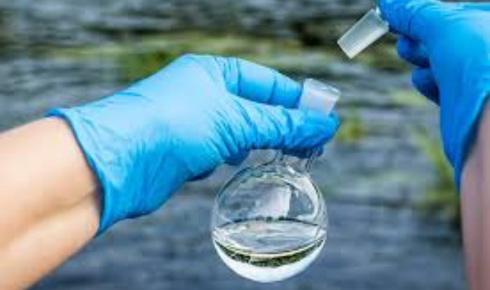
At this point, you’re probably wondering, “Okay, but how do I know if my water’s good or not?” That’s where water testing comes in — and no, it’s not just something labs do for big industrial projects. These days, home water testing kits are accessible, fairly easy to use, and can tell you more than you might expect.
You can test for hardness levels, pH balance, chlorine, lead, bacteria — and that’s just the beginning. If you’re on a well, testing should honestly be routine, since you’re not getting that layer of municipal oversight. But even city dwellers should consider it, especially if you live in an older home or notice changes in taste or smell.
Testing isn’t about creating panic — it’s about removing doubt. When you’ve got real data, you can actually do something meaningful with it. Whether that’s installing a whole-house filter, switching to bottled water temporarily, or just breathing a sigh of relief because everything looks fine, that clarity is worth it.
Fixing the Flow: When Action Matters
If your test results raise an eyebrow, don’t worry — you’re not helpless. There’s a whole spectrum of solutions out there, from simple carbon filters to reverse osmosis systems, softeners, UV purifiers, and more. Some tackle one specific issue (like lead or sulfur), while others offer broad-spectrum coverage.
But here’s the trick: don’t get lured in by flashy marketing. What works for someone in Arizona might be totally useless for someone in Vermont. That’s why testing first makes all the difference. Match the solution to the problem, not the other way around.
And hey — it doesn’t have to be all-or-nothing. Maybe you just need a showerhead filter to soften the water on your skin. Maybe a countertop filter is enough for your drinking water. You get to choose what matters most in your daily life, and build from there.
Mindful Water Living (Without Going Overboard)
There’s a fine line between being informed and being overwhelmed. You don’t need to become a water chemist overnight or panic every time your water tastes different after a storm. But paying attention? That’s always a good idea.
Simple habits — like cleaning faucet aerators, checking your water heater for sediment buildup, or replacing your filters on time — can go a long way. And if you have kids, pets, or immune-compromised family members, your attention could make an even bigger impact than you realize.
At the end of the day, it’s not about perfection. It’s about awareness. You deserve to feel confident in something as fundamental as your water, and you’ve got more power than you think to make that happen.
Final Thoughts: It’s Not Just Water. It’s Life.
So here we are. A thousand words (well, almost) just to say this: don’t underestimate the role water plays in your life. It’s not just background noise. It’s part of your body, your home, your comfort, your health. When something feels off, you’re not imagining it. Trust your instincts, test what you can, fix what needs fixing — and let the rest flow.