


Most of us don’t give our water much thought. We turn on the tap, fill a glass, start the dishwasher, hop in the shower — and that’s about it. Water is one of those quiet conveniences we assume will always be fine.
Until it’s not.
Maybe your glasses come out of the dishwasher spotted. Maybe your skin feels tight after every shower. Maybe the water tastes slightly metallic, or there’s a faint chlorine smell that lingers longer than you’d like. Nothing dramatic. Just enough to make you pause.
That pause is often the beginning of a deeper look into residential water treatment — not out of fear, but out of curiosity and practicality.
The Everyday Reality of Water Quality
Municipal water systems are regulated, and that’s reassuring. But “meeting standards” doesn’t always mean ideal for every home. Water travels through miles of infrastructure before reaching your faucet. Along the way, it can pick up sediment, minerals, or simply retain the chlorine used for disinfection.
If you rely on well water, the story can be even more personal. Groundwater chemistry varies by region. Iron, sulfur, hardness — these aren’t rare issues.
The goal of treating water at home isn’t to reinvent what municipal systems already do. It’s to refine it. To adapt it to your home’s needs.
Thinking Beyond the Kitchen Sink
When people start researching water solutions, they often focus on drinking water first. That makes sense. What you consume matters.
But water affects more than your glass.
You shower in it. Wash your clothes in it. Run it through your appliances. Rinse your produce under it. If there’s sediment or excess minerals, they touch nearly every part of your daily routine.
That’s where whole house water filtration becomes part of the conversation. Instead of filtering just one tap, these systems treat water at the point it enters your home. Every faucet, every appliance, every shower head benefits.
The difference isn’t flashy. It’s subtle and steady.
Showers feel gentler. Laundry comes out softer. Faucets stay cleaner longer. You notice less buildup around fixtures. And perhaps most importantly, you stop thinking about your water altogether — which is usually a sign that it’s working well.
The Hard Water Frustration
If there’s one water issue that frustrates homeowners consistently, it’s hardness.
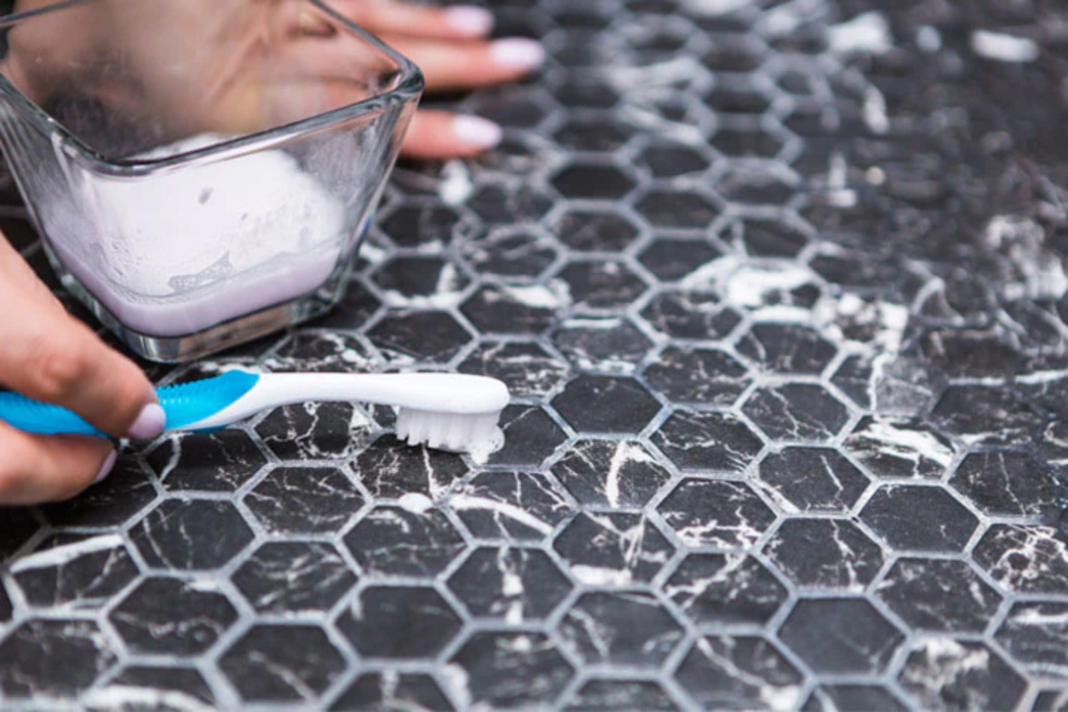
Hard water contains high levels of calcium and magnesium. These minerals aren’t harmful in typical concentrations, but they create scale buildup over time. You see it as chalky residue on faucets, cloudy film on glassware, or stubborn rings in toilets.
This is where water softeners play a significant role. By exchanging hardness minerals with sodium or potassium ions, softeners reduce scale formation and improve how water behaves.
Soap lathers better. Towels feel softer. Appliances operate more efficiently because mineral buildup isn’t slowly choking internal components.
It’s not about luxury. It’s about efficiency and comfort.
Starting With Testing, Not Guessing
One common mistake homeowners make is jumping straight to equipment without testing their water first.
Water varies dramatically by region — even neighborhood to neighborhood. Installing a complex system without knowing what you’re addressing can lead to unnecessary expense.
A professional water test reveals hardness levels, pH balance, sediment content, and possible contaminants. It provides a roadmap rather than a guess.
Sometimes, the solution is simple. Other times, a combination of filtration and softening makes sense. Either way, informed decisions save money and frustration.
The Maintenance Question
No system is entirely maintenance-free. Filters need replacing. Softener salt needs refilling. Occasional servicing ensures everything runs smoothly.
But modern systems are designed with practicality in mind. Maintenance schedules are predictable and manageable. Many units include reminders or monitoring features.
Compared to constantly scrubbing scale from fixtures or replacing prematurely worn appliances, routine upkeep often feels like a fair exchange.
Long-Term Value
It’s easy to focus on upfront costs. Installation and equipment aren’t free. But long-term value often offsets the initial investment.
Appliances last longer. Plumbing experiences less stress. You reduce reliance on bottled water. Cleaning products work more effectively because soap interacts better with softened water.
And then there’s the intangible benefit — peace of mind.
There’s comfort in knowing what’s flowing through your pipes has been thoughtfully addressed.
More Than a Trend
Water treatment isn’t a passing trend. It’s part of a broader shift toward intentional homeownership. People are paying closer attention to air quality, insulation, and energy efficiency. Water belongs in that same conversation.
It’s foundational.
When your water supports your routines instead of complicating them, everything feels a little smoother. You spend less time fighting stains. Less time worrying about taste. Less time second-guessing.
And the best part? Once it’s in place, you barely notice it.
A Quiet Upgrade That Matters
Improving your home’s water doesn’t require a dramatic overhaul. It starts with awareness. A test. A conversation with a professional. A solution tailored to your specific conditions.
Whether it’s filtration, softening, or a combination of both, the right approach aligns with your household’s needs — not a generic checklist.
Because in the end, water touches nearly every part of daily life. When it’s clean, balanced, and reliable, your home runs more smoothly.
And sometimes, the smartest upgrades are the ones you never have to think about again.