A home can be perfectly comfortable and still feel a little chaotic. There may be books stacked on the floor, toys creeping into every corner, cables running behind the television, and that one chair quietly collecting clothes.
Most of us don’t need more space as much as we need to use the space we already have a bit better.
The right furniture can help. Good storage reduces clutter. Practical entertainment furniture keeps technology organised. And thoughtfully chosen furniture for children can make a room safer and easier to manage.
None of this requires turning your house into a showroom. A home should still look lived in. The goal is simply to make everyday life work a little more smoothly.
Start With Storage That Fits Your Routine
Storage works best when it’s designed around what you actually own.
If you have books everywhere, you need somewhere convenient for books. If your family has shoes scattered around the entrance, an entryway solution makes more sense than another storage box in the bedroom.
Well-planned shelving can make a surprisingly big difference because it uses vertical space without taking up too much floor area.
Before installing shelves, consider what they’ll hold. Heavy books require stronger support than lightweight decorations. Shelves used in kitchens or garages may also need materials that can handle different conditions.
And don’t forget accessibility. Storage isn’t particularly useful if the things you use every day are placed so high that you need a step stool every morning.
Keep Entertainment Areas Under Control
Televisions have become larger, smarter, and more connected to other devices. Along with the TV itself, there may be streaming boxes, game consoles, speakers, controllers, chargers, and several remote controls.
Without some planning, the entertainment area can quickly become a cable jungle.
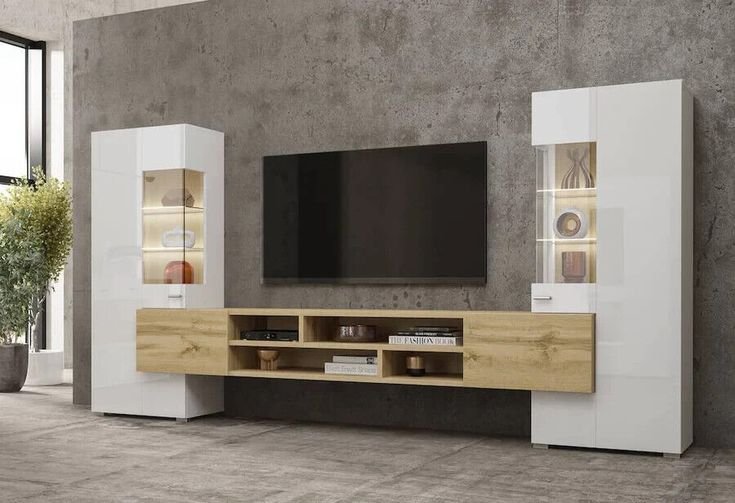
Well-designed tv consoles can provide a practical place for equipment while helping hide or organise cables. When choosing one, consider the television’s size, the equipment you actually use, ventilation needs, and available storage.
Don’t choose a console purely because it looks good online. Check its measurements first.
A beautiful piece of furniture isn’t much use if the television hangs awkwardly over the edge or the gaming console doesn’t fit inside.
Creating a Calm Nursery
Preparing a nursery is one of those projects that can be exciting and slightly overwhelming at the same time. There are so many cute things available that it’s easy to buy more than you actually need.
When choosing nursery furniture, safety should come before appearance.
A sturdy crib or cot, secure storage, and appropriately designed changing furniture are more important than matching every colour in the room. Furniture should be stable, free from obvious hazards, and positioned sensibly.
As children grow, the room will change too. Try not to fill every available corner immediately. Leaving some flexibility can make future adjustments much easier.
Measure Before You Buy Anything
Furniture shopping without measurements is risky.
Measure the room, but also measure the doorway, hallway, staircase, and any other route the furniture will need to travel through.
Large shelving units, entertainment consoles, wardrobes, and nursery furniture can be surprisingly difficult to move once they’re assembled.
It sounds obvious, yet plenty of people have discovered that something fits beautifully in the room but cannot get through the front door.
A tape measure is cheap. Replacing an oversized piece of furniture is not.
Think About Safety and Stability
Furniture should be stable, especially when children are present.
Tall shelving units and cabinets may need to be secured to the wall according to the manufacturer’s instructions. Heavy objects should generally be stored lower rather than high above head level.
Entertainment furniture also needs sensible cable management. Loose wires can create trip hazards and may be tempting for young children to pull.
In a nursery, keep furniture away from potential climbing routes where appropriate and follow the safety guidance provided with children’s products.
Good furniture placement isn’t only about making a room attractive. It’s about making the room safer to use.
Storage Should Make Life Easier
One common mistake is creating storage that looks impressive but isn’t convenient.
If you have to move three boxes to reach something you use every day, the system isn’t helping much.
Keep frequently used items within easy reach. Seasonal or rarely needed belongings can go higher or farther back.
Open shelving works well for things you use regularly, while closed storage can be useful for items you’d rather keep out of sight.
There’s no single correct solution. The best setup is the one that matches your habits.
Don’t Forget About Cable Management
Modern homes contain more electronics than ever.
Televisions, speakers, routers, chargers, gaming systems, lamps and computers all need power or connectivity. Without a little organisation, cables can become tangled and difficult to identify.
When arranging furniture, think about where outlets are located and how cables will reach them.
Use appropriate cable-management products where necessary, and avoid creating tight bends or situations where cables can be crushed by heavy furniture.
A clean cable setup isn’t just prettier. It also makes troubleshooting and replacing equipment easier.
Choose Materials for Real Life
A furniture piece can look wonderful in a showroom and become frustrating in a busy household.
Families with young children may need surfaces that are easy to clean. Homes with pets might benefit from durable finishes. High-traffic areas need furniture that can tolerate regular use.
Think about maintenance before buying.
A delicate surface that requires constant special care might not be the best choice for a household that already has plenty going on.
Practical doesn’t have to mean boring. There are plenty of attractive options that can survive everyday life.
Don’t Overfill the Room
More furniture doesn’t necessarily make a room better.
Leaving some open space can improve movement and make a room feel calmer. This is particularly important in nurseries, where adults may need to move around while carrying a child.
Before adding another storage unit, ask whether you can organise or remove something you already have.
Sometimes the best improvement isn’t buying anything at all.
A Well-Organised Home Still Feels Like Home
The goal of good furniture isn’t perfection.
It’s creating a space where things have somewhere to go, where everyday objects are easy to find, and where rooms support the people using them.
A few well-placed shelves can remove clutter. A sensible television console can tame a messy entertainment area. Carefully selected nursery furniture can make a child’s room safer and more practical.
Small decisions add up.
Your home doesn’t need to look like a catalogue to feel organised. It just needs furniture that works with your routines instead of fighting against them.
And when everything has a sensible place, even the busiest home can feel a little lighter.