Water is one of those things we use constantly without really thinking about it. It goes into the morning coffee, fills drinking bottles, runs through the shower, cleans dishes, and keeps appliances working. Most days, it’s simply there. But when the taste changes, scale appears around the faucet, or a well starts producing cloudy water, it suddenly becomes impossible to ignore.
The good news is that improving water quality doesn’t have to be complicated. The smartest approach is usually a simple one: understand your water first, identify the real concern, and then choose treatment that matches it.
Every Home Has Different Water
There is no universal definition of “good water” when it comes to household treatment. Municipal water can have different characteristics from one community to another, while private wells bring their own set of considerations.
Local geology, plumbing, water source, and household usage can all influence water quality. Two neighbors might even notice completely different problems despite being connected to the same general water supply.
That’s why testing can be such a useful starting point. It gives homeowners something more reliable than guesswork.
Why Drinking Water Deserves Extra Attention
The water used for washing clothes and cleaning floors doesn’t necessarily need the same treatment as the water your family drinks. For many homeowners, the kitchen is where water quality matters most.
Dedicated drinking water systems can provide targeted filtration at a convenient point of use. Depending on the technology, these systems may be designed to improve taste, reduce certain contaminants, or provide additional treatment for drinking and cooking water.
Think about your daily routine. If everyone in the house fills a reusable bottle before leaving in the morning, filtered water becomes part of the day without requiring much extra effort.
What Advanced Filtration Really Means
The phrase “advanced filtration” sounds impressive, but homeowners should look beyond the label. Different filtration technologies are designed for different purposes.
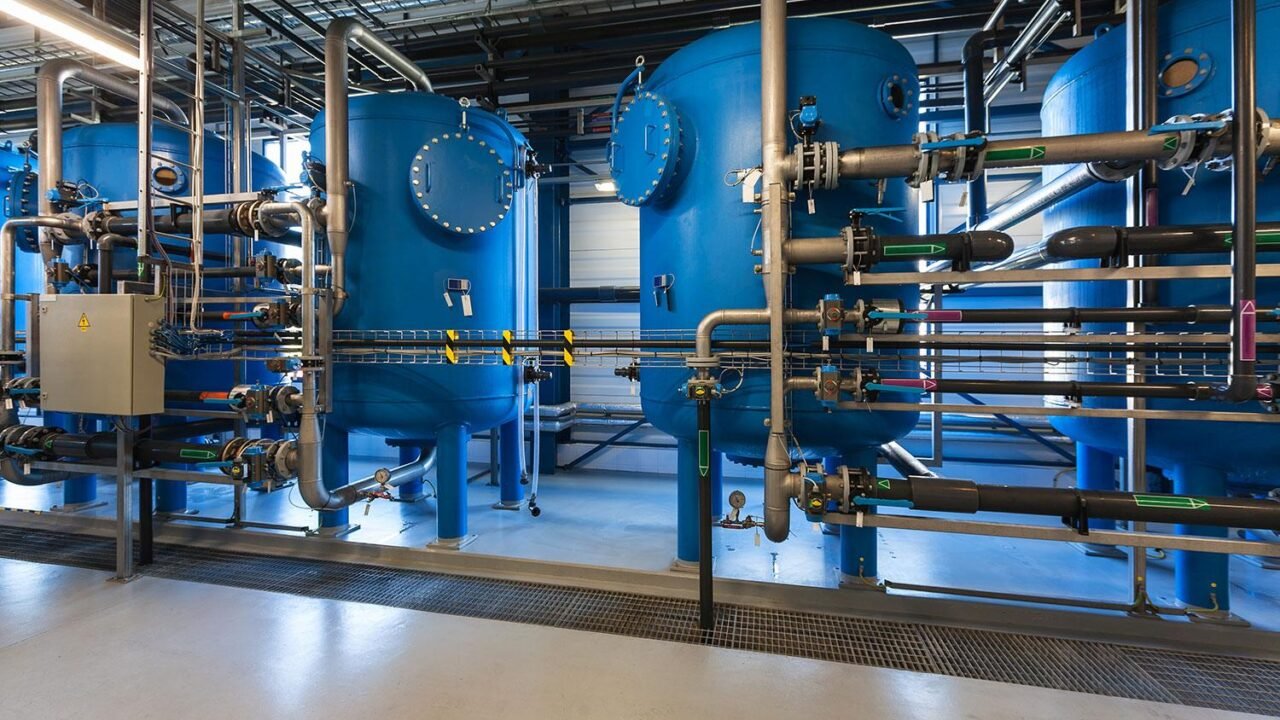
Carbon filters are often used to improve taste and reduce chlorine. Sediment filters can capture physical particles. Reverse osmosis can provide more extensive treatment for certain dissolved substances, while ultraviolet treatment may be used for specific microbiological concerns.
Choosing advanced filtration & purification should therefore be based on the actual water-quality issue. More stages don’t automatically mean better results. In some homes, a straightforward filter may be perfectly adequate.
Well Water Requires a Different Mindset
Private well owners have more responsibility for monitoring their water because there isn’t a municipal treatment plant handling the supply.
Groundwater can contain hardness minerals, iron, manganese, sediment, bacteria, or other substances depending on local conditions. Some issues are obvious, like orange staining or a sulfur-like odor. Others may not be noticeable without testing.
That makes well water treatment especially dependent on accurate water analysis. A system should be selected according to what the well water actually contains rather than what worked for someone else nearby.
Testing Before Buying Equipment
It can be tempting to shop for a filtration system immediately when something seems wrong. But that can lead to unnecessary spending.
Testing helps identify what needs attention. Depending on the situation, testing may look at hardness, pH, minerals, bacteria, or specific contaminants.
For private wells, testing is particularly important after events such as flooding or noticeable changes in taste, smell, color, or appearance. Local testing recommendations can also vary, so homeowners should consider guidance from qualified water professionals and relevant public-health authorities.
The more you know about your water, the easier it becomes to choose appropriate treatment.
Don’t Forget About Water Hardness
Hard water is a common household complaint. Calcium and magnesium can create scale around faucets, showerheads, water heaters, and appliances.
You may notice white deposits on fixtures or find that cleaning the shower seems like a never-ending job. Over time, scale can also become a maintenance concern for water-using equipment.
A water softener may help with hardness, but it shouldn’t be confused with a general filtration system. Softening and filtration solve different problems, and some homes may benefit from using both.
Maintenance Is Part of the System
Even excellent water-treatment equipment needs regular attention. Filters need replacement, membranes eventually wear out, and other components may require cleaning or inspection.
It’s easy to forget about a system when it works quietly in the background. Setting calendar reminders can help. Keep track of filter changes, service dates, and any noticeable changes in water quality.
If the water suddenly tastes different or the pressure changes, don’t simply assume the equipment is fine. Those changes can be useful clues that something needs attention.
Choose Practical Solutions, Not Just Expensive Ones
Water treatment can become surprisingly complicated if you start looking at every available technology at once. Try not to get caught up in the idea that the most expensive system must be the best.
Instead, consider your water source, household size, daily usage, budget, and specific concerns. Ask what the system is designed to remove, how often it needs maintenance, and what replacement parts will cost.
A trustworthy professional should be able to explain these details in plain language. If everything sounds like a sales pitch and nothing sounds like an actual explanation, that’s worth noticing.
Better Water Is an Ongoing Process
Improving water quality isn’t really a one-time purchase. Water conditions can change, filters need maintenance, and household needs evolve.
The best approach is to stay informed. Test when appropriate, maintain treatment equipment, and pay attention to changes instead of ignoring them.
Whether your goal is better drinking water, more advanced filtration, or a dependable solution for private well water, the answer starts with understanding the problem.
Water doesn’t need to become another source of stress. With good information and the right treatment approach, it can simply become what it should be — a dependable part of everyday life that you rarely have to worry about.