The Water We Trust Isn’t Always as Simple as It Seems
Turn on the kitchen faucet and a clear stream of water pours out. It looks clean, smells normal most days, and seems perfectly fine. Because of that, most of us don’t spend much time wondering what’s actually in it. We assume that if it’s coming from the tap, it’s safe—and in many cases, it is. But “safe” and “ideal” aren’t always the same thing.
Water travels a surprisingly long journey before reaching your home. It passes through reservoirs, treatment plants, underground pipes, and neighborhood plumbing systems. Along the way, it can pick up minerals, sediments, and trace substances that affect both its quality and taste. Most of these aren’t visible, which is exactly why they’re easy to overlook.
Learning a little more about your home’s water isn’t about becoming worried. It’s about becoming informed so you can make decisions that fit your family’s needs.
Every Water Source Has Its Own Story
Water isn’t identical from one community to another. A family living in a rural area with a private well may experience completely different water characteristics than someone connected to a municipal supply in the middle of a city.
Natural geology influences mineral content. Aging infrastructure can affect what travels through plumbing. Seasonal weather patterns sometimes change water clarity or taste. Even neighboring towns may have noticeably different water profiles despite being only a few miles apart.
That’s why one-size-fits-all assumptions rarely work when it comes to water quality.
Tiny Changes Can Reveal Bigger Issues
Sometimes water tells you something has changed.
Maybe it develops a faint metallic taste. Perhaps your white sink begins showing orange stains, or your shower glass suddenly requires constant cleaning. Even laundry can feel rougher after washing, despite using the same detergent.
These small clues don’t automatically signal a serious problem, but they often suggest it’s worth taking a closer look. Water quality changes gradually, making them easy to ignore until the differences become difficult to miss.
Paying attention to these everyday details can help homeowners catch potential concerns earlier rather than later.
Why Testing Matters More Than Guessing
Walk into any home improvement store and you’ll find shelves full of filters promising cleaner water. While many products work well, buying one without understanding your water is a little like buying prescription glasses without an eye exam.
Professional testing identifies what is actually present in your water instead of relying on assumptions. That information allows homeowners to choose treatment options based on facts rather than advertising claims.
In many situations, the solution ends up being simpler—and less expensive—than people expect.
Looking Beyond the Obvious
When conversations about water quality come up, people usually think about chlorine or hard water. Those are certainly common concerns, but they’re only part of the picture.
Depending on where water originates and how it travels, testing may also detect naturally occurring minerals or trace amounts of heavy metals. These substances aren’t always visible, nor do they necessarily affect taste, which is why routine water analysis can provide valuable peace of mind.
Knowing what’s present allows homeowners to respond appropriately instead of relying on guesswork.
Rural Living Brings Different Considerations
Homes supplied by private wells often require a different approach than municipal systems.
Because well water isn’t continuously treated by a public utility, homeowners are responsible for monitoring its quality. Seasonal rainfall, nearby farming activity, and surrounding soil conditions can all influence what’s found underground.
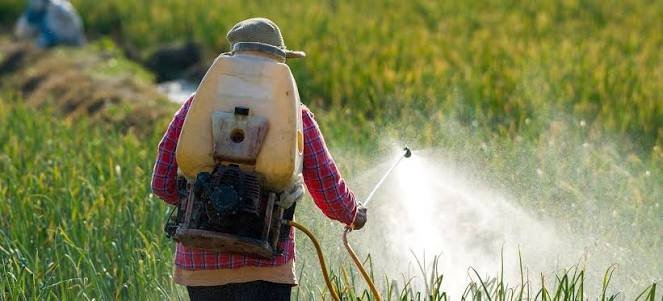
In agricultural regions, occasional testing for herbicides may be recommended depending on local land use and environmental conditions. Regular monitoring helps ensure that any changes are identified before they become larger concerns.
Many well owners make annual testing part of their normal home maintenance routine, much like servicing a heating system.
Water Quality Affects More Than Drinking
People often focus only on the glass of water they drink, but water touches nearly every part of daily life.
It’s used for cooking, making coffee, washing fruits and vegetables, bathing children, cleaning dishes, doing laundry, and even caring for pets. Every gallon flowing through your home contributes to your everyday comfort.
Cleaner water can also benefit plumbing systems, water heaters, washing machines, and other appliances by reducing buildup and improving overall efficiency.
Over time, these practical benefits become just as noticeable as improved taste.
Environmental Factors Can Influence Water
Communities located near farmland sometimes experience unique water quality challenges that differ from urban neighborhoods.
Heavy rainfall, irrigation runoff, and changing groundwater conditions may occasionally introduce trace amounts of pesticides into certain water sources. Modern treatment facilities work hard to maintain drinking water standards, but periodic testing remains an important tool for understanding local conditions.
Rather than assuming every area faces the same risks, it’s smarter to evaluate water based on where you actually live.
Choosing Solutions That Match Your Home
No single filtration system solves every possible issue.
Some homes benefit from activated carbon filtration to improve taste and odor. Others require sediment filtration, reverse osmosis, ultraviolet disinfection, water softening, or specialized treatment technologies designed for particular water conditions.
The best investment starts with accurate information. Once you understand your water profile, selecting the right treatment becomes far less confusing.
Professional guidance can also help avoid spending money on equipment that addresses problems you don’t actually have.
A Small Step That Makes Everyday Life Better
Good water rarely demands attention. It quietly supports everyday life without becoming the center of it.
You notice it in a better cup of coffee, softer towels, sparkling dishes, healthier plumbing, and the confidence that comes from knowing your family is using clean, well-managed water every day.
Taking time to understand what’s flowing through your home’s pipes isn’t about expecting the worst. It’s about making thoughtful choices based on knowledge rather than assumptions.
In the end, water isn’t just another household utility. It’s part of nearly every moment spent at home, from the first cup of tea in the morning to the last load of laundry before bed. Investing a little attention in its quality today can make countless ordinary moments feel just a bit better tomorrow.