

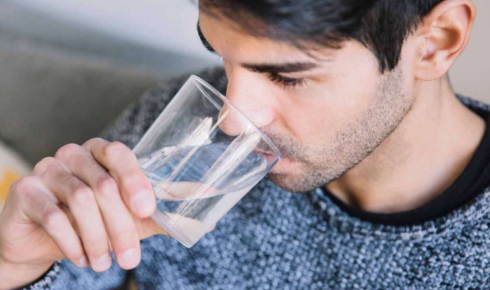

Let’s face it—most of us don’t spend a whole lot of time thinking about our tap water. We just assume it’s safe, convenient, and good enough to gulp after a run or brew our morning coffee. But if you’ve recently installed a water softener (or moved into a house with one), you might’ve found yourself quietly wondering: is it safe to drink softened water? And if you’ve Googled it, you’re likely swimming in conflicting info.
So, let’s strip away the fluff and talk honestly about what softened water really is, what it isn’t, and whether you should be drinking it like it’s Evian—or avoiding it altogether.
What Even Is Softened Water?
First, the basics. Hard water has a high concentration of calcium and magnesium—minerals that are naturally picked up as water travels through soil and rock. While not harmful to your health, hard water is tough on your appliances, dishes, and even your skin. It causes limescale buildup in pipes and turns showerheads crusty.
Enter the water softener.
This device uses a process called ion exchange. Essentially, it swaps the calcium and magnesium ions in your water for sodium (or sometimes potassium) ions. Voilà! Softer water. The water feels silkier, your soap lathers better, your laundry is fluffier, and your appliances live longer. Sounds like a win, right?
Well, not so fast.
So… Is It Safe to Drink Soft Water?
This is where it gets a bit murky. Technically, yes—softened water is generally safe to drink for most people. The amount of sodium added during the softening process is relatively small. For instance, if your water is moderately hard—say, 100 parts per million (ppm) of hardness—it may only gain around 46 mg of sodium per liter after softening.
To put that in perspective: a slice of bread has about 120–200 mg of sodium. So unless you’re drinking liters of the stuff every day and watching your sodium intake like a hawk, you’re probably fine.
Still, if you’re on a low-sodium diet or have kidney issues, this is something to be aware of. Pregnant? Elderly? Got high blood pressure? Ask your doc. It’s not overkill—it’s just smart.
The Nuances of Sodium
People hear “sodium” and instantly think of salty chips, fast food, and bloated fingers. But sodium in softened water doesn’t taste salty—unless your water is very hard to begin with (think 300+ ppm), in which case the sodium content could be noticeable.
And that brings us to an important distinction: taste versus safety.
Even if you can drink it, you might not want to if it affects the flavor of your tea or coffee. This is especially true for die-hard coffee enthusiasts who claim that softened water “kills” the delicate balance of flavors in a good brew. Fair enough.
The takeaway? If you’re asking, “is it safe to drink soft water“—the short answer is yes, but with personal caveats.
What About Kids, Babies, or Pets?
Here’s where caution flags go up a bit more. Most experts recommend not giving softened water to infants, especially in formula, due to their low sodium tolerance. Pediatricians usually prefer using bottled or filtered (non-softened) water for formula prep.
As for pets, most of them will be fine with softened water. Dogs, cats, and even rabbits have kidneys that are well-equipped to deal with low levels of sodium. But again, if your furry friend has health conditions, filtered or hard water might be better.
Should You Be Drinking Softened Water at All?
That depends on your priorities.
If your main concern is convenience—having one system for the whole house, including drinking—then yes, softened water can simplify life. But if you’re concerned about sodium or taste, many people opt for a split system: soft water for the house and a separate unsoftened tap for drinking and cooking.
It’s actually super common.
Many modern softeners even come with a bypass valve for this exact reason. Or you can install a reverse osmosis (RO) system under your kitchen sink to strip out sodium and other additives post-softening.
Basically, there’s a workaround for every worry.
Myth-Busting: Things Softened Water Doesn’t Do
Let’s clear the air on a few misconceptions.
- It doesn’t strip your water of all minerals. Only calcium and magnesium are removed—not the entire periodic table.
- It doesn’t make your water acidic or “dead.” That’s internet nonsense. Softened water is still perfectly hydrating.
- It’s not the same as distilled water. Distilled is completely pure—no minerals, no salts, no nothing. Softened water is still, well, water. Just less crusty.
So if you’ve been avoiding drinking softened water because of what your cousin’s neighbor’s plumber said—it might be time to check some facts.
Why All the Fuss Then?
Honestly? It’s mostly a combination of old-school health fears, confusing Google search results, and some legitimate—but limited—cases where sodium matters.
The truth is, the water softening industry hasn’t done a stellar job of educating people about how their systems work or what’s actually added to the water. So, homeowners are left guessing, or worse—assuming the worst.
But if you’ve had your water tested, understand your hardness levels, and know how your system works, there’s really not a lot of mystery left.
Final Sip: Trust Your Taste (and Maybe Your Doctor)
To wrap this all up in a neat little bottle: Yes, it’s safe for most people to drink softened water, especially if your water wasn’t rock-hard to begin with. But if you’re dealing with health conditions, feeding a baby, or just don’t like the taste, there are plenty of simple options—like bypass taps or RO filters—that let you have the best of both worlds.
So go ahead, fill up that glass. Or don’t.
The choice isn’t scary. It’s just soft.