A comfortable home depends on dozens of things working quietly in the background. The lights turn on, the heating keeps the rooms warm, and water comes out when you open a tap. Plumbing is easy to overlook when everything works as it should. But a dripping faucet, a blocked drain, or a sudden drop in water pressure can quickly interrupt an otherwise ordinary day.
The good news is that many plumbing problems give warning signs before they become serious. Knowing what to watch for, understanding a few basic maintenance habits, and calling a professional when necessary can help protect your home from avoidable damage. You don’t need to know every fitting or pipe connection. A little awareness can make a surprisingly big difference.
The Small Signs That Something Isn’t Right
Plumbing problems don’t always begin with a burst pipe or water pouring across the floor. Sometimes, they’re much less dramatic. You might notice a faint damp smell beneath a sink, a toilet that keeps refilling, or a patch of paint that begins to bubble near a pipe.
These details are worth investigating. A slow leak can damage cabinetry, flooring, and wall materials over time. Moisture that remains hidden may also encourage mold growth, especially in enclosed spaces with poor ventilation. Even a faucet that drips constantly wastes water and can become irritating enough to affect your daily routine.
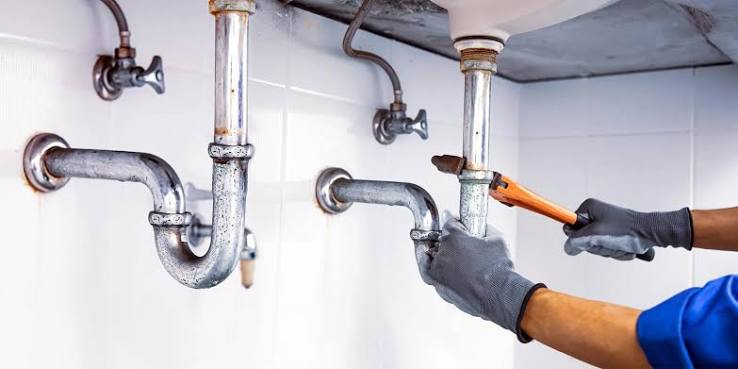
Start by checking visible pipes and connections under sinks, around washing machines, and near water heaters. Look for corrosion, water marks, loose fittings, and damp surfaces. If you notice an unexplained increase in your water bill, a hidden leak could be one possible cause.
It’s also sensible to locate the main water shutoff valve before an emergency happens. If a pipe breaks, turning off the supply quickly can limit the amount of water entering your home. Keep the area around the valve accessible, and make sure household members know where it is.
Keeping Bathroom Fixtures in Good Shape
Bathrooms place regular demands on a home’s water system. Showers, sinks, toilets, and bathtubs are used repeatedly throughout the day, often with little time for moisture to dry between uses. That makes routine inspection particularly useful.
Well-maintained bathroom plumbing helps prevent common problems such as leaking faucets, blocked drains, running toilets, and loose shower connections. Many issues begin with ordinary wear. Rubber seals deteriorate, mineral deposits collect around outlets, and moving parts inside toilet cisterns gradually become less reliable.
Pay attention to changes in drainage. If water begins pooling around your feet during a shower, hair or soap residue may be restricting the drain. Removing accessible debris from the drain cover can help, but recurring blockages may indicate a deeper problem. Avoid forcing tools into pipes or using harsh chemical products without considering their compatibility with the plumbing.
Toilets deserve a little attention as well. If a toilet continues running after the tank has refilled, the flapper, fill valve, or another internal component may need adjustment or replacement. A plumber can identify the cause if simple maintenance doesn’t resolve it.
Ventilation is another part of bathroom care that is easy to forget. Use an exhaust fan when showering and allow damp surfaces to dry. While ventilation doesn’t repair a plumbing leak, it can reduce lingering moisture and make it easier to notice when water is appearing where it shouldn’t.
Why General Plumbing Maintenance Matters
Some plumbing issues affect one fixture, while others involve the wider system that supplies water throughout the property. Understanding the difference can help you decide whether a quick inspection is enough or professional assistance is needed.
General plumbing maintenance includes checking exposed pipes, monitoring water pressure, inspecting shutoff valves, and keeping an eye on drainage throughout the home. It also means understanding which tasks are safe to handle yourself and which require specialist knowledge.
For example, cleaning a faucet aerator is usually straightforward. A sudden loss of water pressure throughout the house, on the other hand, may involve a supply problem, a faulty pressure regulator, a blocked pipe, or another issue that needs proper diagnosis. Guessing can lead to unnecessary replacements and wasted money.
Older properties may require additional attention because pipes and fittings can deteriorate with age. If you live in a home with aging plumbing, ask a qualified plumber whether an inspection would be worthwhile. This is especially useful when you experience repeated leaks, discolored water, unusual pipe noises, or frequent drain problems.
Water pressure also deserves consideration. Very low pressure can make everyday tasks inconvenient, while excessively high pressure can put stress on plumbing components and appliances. A professional can measure the pressure and recommend adjustments when necessary.
Choosing the Right Approach to Plumbing Repairs
When a problem appears, it’s tempting to look for the quickest fix available. Online tutorials and hardware-store products can be useful for minor tasks, but not every repair is suitable for a do-it-yourself approach.
Reliable plumbing solutions begin with identifying the actual cause rather than treating the most obvious symptom. A drain that repeatedly clogs, for instance, may have an obstruction farther along the pipe. Clearing the visible blockage might improve drainage temporarily without resolving the underlying issue.
The same principle applies to leaks. Tightening a loose connection may help in some cases, but excessive force can damage fittings. If water is leaking from a pressurized pipe, shut off the supply if it is safe to do so and arrange professional help. For sewage backups, significant flooding, or suspected contamination, avoid contact with the water and seek appropriate assistance promptly.
When hiring a plumber, ask for a clear explanation of the problem, the proposed repair, and the expected cost. For larger jobs, it may be worth asking whether permits are required and whether the work comes with a warranty. A trustworthy professional should be willing to explain the options in straightforward language.
Saving Water Without Compromising Comfort
Efficient plumbing isn’t only about preventing leaks. It can also help reduce unnecessary water use without making everyday routines less comfortable.
Consider installing suitable low-flow showerheads or faucet aerators, particularly if older fixtures use more water than necessary. Repair dripping taps and running toilets promptly. When replacing an appliance, compare its water-efficiency information alongside its purchase price and energy requirements.
Be careful with what enters your drains. Cooking grease can cool inside pipes and contribute to blockages, while wipes and other unsuitable materials can cause problems even when packaging suggests they are flushable. In the kitchen, dispose of grease in the appropriate waste container rather than pouring it into the sink.
Small changes often work better than dramatic ones. A household that consistently avoids waste and deals with minor leaks can make meaningful improvements over time.
A Simple Routine for a More Reliable Home
You don’t need an elaborate maintenance schedule to keep your plumbing in reasonable condition. Every few months, inspect visible pipes, check under sinks, look for damp patches, and test fixtures for unusual behavior. Clean accessible drain covers and investigate any changes in pressure, drainage, or water appearance.
Keep records of professional repairs and note when major components were installed. These details can be helpful if a problem returns or a part reaches the end of its useful life.
Most importantly, don’t ignore persistent warning signs. A minor issue may remain minor when handled early, but waiting until water damages walls or flooring can turn a manageable repair into a costly project.
Good plumbing is about more than pipes and fittings. It supports the routines that make a house feel like home. With regular attention, sensible water-use habits, and professional help when needed, you can keep your system dependable and spend less time worrying about what might go wrong.