A house has a way of hiding its problems. The walls look fine, the kitchen is tidy, and the bathroom seems to be working as usual. Meanwhile, a small leak may be developing beneath the floor, a pipe could be slowly corroding, or a drain might be struggling to carry wastewater away. These issues don’t always announce themselves with dramatic warning signs. Sometimes, the first clue is simply that something feels different.
Plumbing is one of those parts of a home that rarely gets much attention until it stops working. Yet the condition of the pipes and drains affects daily comfort, water usage, and even the structure of the property. Learning to recognize early warning signs can help homeowners make sensible decisions, arrange repairs at the right time, and avoid some of the expense that comes with waiting too long.
When Water Pressure or Flow Begins to Change
Most people notice plumbing trouble through an everyday inconvenience. A shower loses pressure, a kitchen tap produces a weak stream, or water takes longer than usual to fill a bathtub. It’s easy to assume the fixture itself is the problem, and sometimes that is exactly what has happened.
A clogged aerator, partially closed valve, or mineral buildup can restrict flow at a single tap. But when several fixtures experience the same issue, the cause may be farther back in the plumbing system. A leak, corrosion, pressure regulator problem, or issue with the incoming supply could be involved.
Pay attention to whether the change happens suddenly or develops over time. A sudden drop in pressure throughout the house deserves prompt investigation, particularly if it occurs alongside damp patches, unusual pipe sounds, or a change in the water meter reading.
Professional water line installations & repairs can address problems involving the pipes that bring fresh water into a property. Depending on the situation, the work might involve locating a leak, replacing a damaged section, correcting a faulty connection, or installing a new line. Proper diagnosis matters because a weak tap doesn’t automatically mean the main water line needs replacement.
Hidden Leaks Can Become Expensive Problems
Water doesn’t need to pour across the floor to cause damage. A pinhole leak inside a wall or a loose connection beneath a cabinet may release only a small amount at a time. Given enough time, that moisture can affect timber, drywall, flooring, insulation, and nearby belongings.
Look for signs such as paint that begins bubbling, unexplained stains, soft spots in flooring, or a persistent musty smell. These symptoms can have other causes, but they’re worth investigating rather than covering with fresh paint or ignoring until the next renovation.
An unexplained increase in the water bill may also suggest a leak. If all taps and water-using appliances are off, checking the meter can sometimes help identify ongoing water flow. The process depends on the meter and plumbing layout, so professional assistance may be useful if the reading is unclear.
When you suspect a leak, avoid opening walls or digging outdoors without knowing where pipes and other utilities run. A qualified plumber can use appropriate inspection methods to narrow down the location and recommend the least disruptive repair that makes sense for the property.
The Sewer System Deserves Attention, Too
Fresh water entering a home is only half the story. Wastewater must leave through a drainage system that can handle daily use without backing up or allowing unpleasant odors to enter the building.
Slow drains are common, but recurring blockages deserve more attention than a single clogged sink. If several fixtures drain poorly, toilets gurgle when another tap runs, or wastewater appears in a shower when the toilet is flushed, the issue may involve a shared drain or the main sewer line.
Tree roots, shifting soil, accumulated debris, damaged pipe joints, and aging materials can all contribute to sewer problems. In some cases, the pipe has collapsed or developed a low section where waste collects. The symptoms may look similar from inside the house, which is why guessing at the cause can lead to repeated, ineffective fixes.
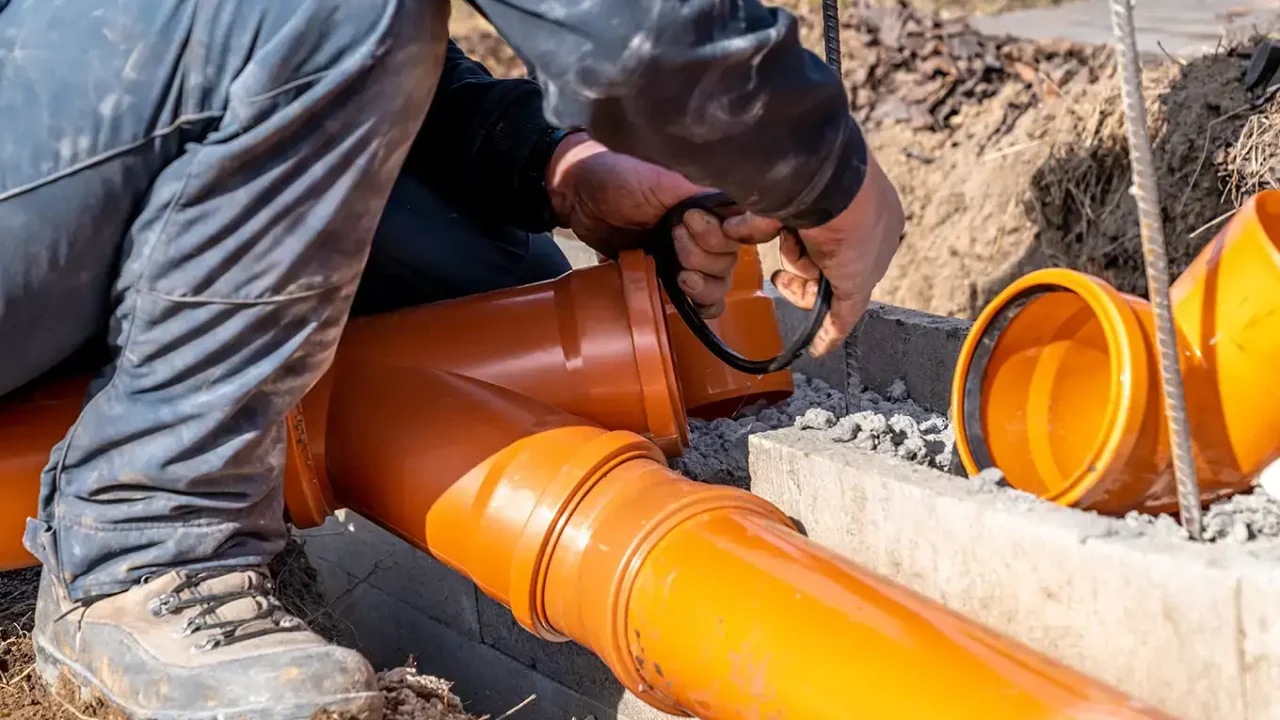
Professional sewer line services may include inspections, blockage removal, locating damaged sections, and repairing or replacing compromised pipes. A camera inspection can be particularly helpful when the cause isn’t obvious, as it allows the plumber to examine the inside of the line without immediately excavating the yard.
Sewage backups should be treated seriously. Wastewater can contain harmful microorganisms, so keep children and pets away from affected areas and avoid direct contact. If sewage enters the home, arrange professional assistance and follow appropriate cleanup guidance.
When Is Repiping Worth Considering?
Older plumbing systems can continue working for many years, but age eventually becomes a factor. Some pipes corrode from the inside, while others may become brittle, develop repeated leaks, or struggle with mineral deposits. A single repair doesn’t necessarily mean the entire system is failing, though a pattern of problems may suggest a broader issue.
Consider a home where the owner has repaired three separate leaks in the past year. Each repair might be reasonable on its own, but together they raise an important question: is the system reaching the point where continued patching is no longer practical?
In that situation, repiping services may be worth discussing with a qualified plumber. Repiping involves replacing some or all of a building’s water supply pipes, depending on their condition and the project’s scope. It can be a substantial undertaking, so the decision should be based on inspection findings, repair history, material condition, and the expected cost of maintaining the existing system.
Ask the plumber to explain which sections need replacement and why. A partial repipe may be appropriate in some homes, while extensive corrosion or widespread deterioration could make a larger project more sensible. Clear information helps homeowners compare options without committing to more work than the evidence supports.
Protecting Your Plumbing Through Everyday Habits
You don’t need specialist knowledge to take better care of household plumbing. Small habits can reduce strain on the system and make problems easier to spot.
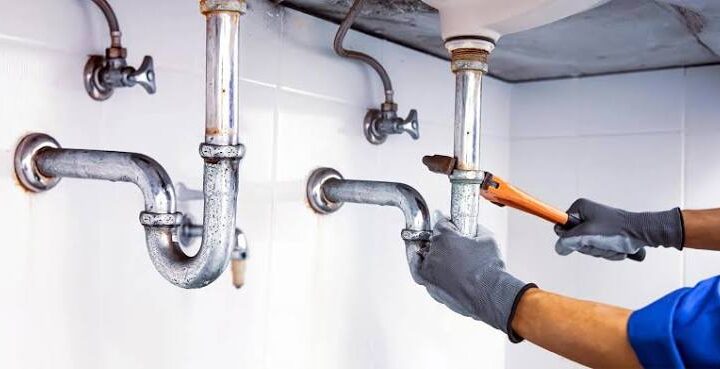
Avoid pouring grease into kitchen drains, use strainers to catch hair and debris, and flush only appropriate materials down toilets. Check visible pipes beneath sinks occasionally, especially after using the dishwasher or washing machine. If your home has outdoor plumbing, pay attention to freezing conditions and follow local advice for protecting exposed lines.
It’s also useful to know where the main water shutoff valve is located. During a burst pipe or serious leak, shutting off the supply can limit further damage while help is on the way. Make sure other household members know where it is, too.
Routine inspections can be especially valuable for older properties or homes with a history of leaks. The right schedule depends on the plumbing materials, local water conditions, and previous repairs. Rather than following a generic timetable, ask a plumber what level of inspection is appropriate for your home.
Making a Confident Decision About Repairs
Plumbing work can range from a simple valve replacement to a major underground repair. Before agreeing to an expensive project, ask for a clear explanation of the problem, the proposed solution, and any practical alternatives. A written estimate should outline the work and identify potential additional costs where possible.
Licensing, insurance, relevant experience, and good communication are all worth considering when choosing a contractor. For larger projects, ask whether permits or inspections are required and what warranty applies to the completed work.
A trustworthy professional should be able to explain the issue without relying on scare tactics. Sometimes the right answer is a straightforward repair. In other cases, replacing an aging section now may help prevent repeated disruption later.
Looking After the Parts You Can’t See
Plumbing problems can feel frustrating because the source isn’t always visible. Still, changes in water pressure, unexplained moisture, and recurring drainage trouble offer useful clues. Paying attention to these signs gives homeowners a chance to act before a manageable concern turns into a much larger repair.
Every property is different, and there isn’t one solution for every leak or blockage. With sensible maintenance, careful diagnosis, and qualified professional support, homeowners can protect their water supply, keep wastewater moving properly, and make informed decisions about aging pipes. Sometimes, the smartest repair begins with something as simple as noticing that a tap doesn’t sound quite right anymore.