Water is part of nearly everything we do at home. We drink it, cook with it, wash our clothes, and depend on it to keep our daily routines running smoothly. Most days, we don’t give it a second thought. Then one morning, there’s a strange taste in a glass of water, brown marks appear around the bathroom tap, or a kettle develops a stubborn white coating. Suddenly, water quality becomes a much more interesting subject.
These changes don’t always mean there’s a serious problem, but they can be useful reasons to take a closer look. Knowing what’s in your water, where it comes from, and which treatment options make sense can help you make better decisions for your household.
Start With the Water You Actually Have
Water quality differs from one location to another. Municipal suppliers generally treat water before distributing it, while private well owners are responsible for arranging appropriate testing and maintenance. Even within the same area, plumbing conditions and local geology can influence what comes out of a tap.
The first step is to identify the concern rather than immediately purchase a filter. Is the water unusually hard? Does it have a metallic taste? Are there visible particles, or is the main issue an unpleasant smell? These observations can help guide testing, although they cannot reliably identify every substance that may be present.
A laboratory water test is often the most useful starting point, particularly for homes using well water. Depending on the source and local risks, testing may cover minerals, metals, bacteria, and other substances. Municipal customers can review their water supplier’s quality report and consider additional testing if they suspect a problem with household plumbing.
Why Certain Contaminants Deserve Attention
Some water quality concerns are mainly about taste, appearance, or damage to plumbing. Others deserve closer attention because they can affect human health. Understanding the difference helps homeowners avoid unnecessary worry while still taking important risks seriously.
For example, lead can enter drinking water through certain older pipes, plumbing fixtures, and solder. It generally cannot be detected reliably by looking at or tasting the water. Exposure is especially concerning for children and pregnant people, so suspected lead contamination should be investigated through appropriate testing.
If lead is found, the right response depends on the source and level of contamination. Certified filters specifically rated for lead reduction may help when used and maintained according to their instructions. Replacing affected plumbing may also be necessary. Boiling water does not remove lead and can concentrate it as water evaporates, so it should never be treated as a solution.
When results are concerning, follow guidance from the local water authority or a qualified professional rather than relying on guesswork.
Understanding PFAS in Drinking Water
Another subject receiving considerable attention is a group of chemicals known as per- and polyfluoroalkyl substances, commonly called PFAS. These substances have been used in various industrial and consumer applications because of their resistance to heat, water, and oil. Some can persist in the environment for long periods.
Two widely discussed examples are PFOA and PFOS. They have been associated with certain historical manufacturing and product uses, and research has raised concerns about potential health effects from exposure. The level of risk depends on several factors, including the specific substance, concentration, and duration of exposure.
You cannot determine whether PFAS are present simply by checking a glass of water. Testing through a qualified laboratory is needed when there is a reason to investigate. This may be especially relevant in areas where local environmental information identifies a potential concern.
Certain activated carbon filters, reverse osmosis systems, and other technologies can reduce specific PFAS, but performance varies by product and operating conditions. Check independent certification or verified test data for the exact chemicals you want to reduce. Also remember that filters need maintenance; a neglected unit may not deliver the expected performance.
A Clear Appearance Doesn’t Tell the Whole Story
It’s natural to judge water by its appearance. Clear water looks reassuring, while cloudy or discolored water raises immediate questions. Yet appearance alone is an imperfect guide to water quality.
For instance, cysts from certain microorganisms can contaminate water under particular conditions. Some waterborne protozoa can cause gastrointestinal illness, and ordinary visual inspection cannot tell you whether they are present. Risks may be greater in untreated surface water or inadequately managed private water supplies.
Treatment depends on the organism and the source. Proper disinfection, boiling during an official advisory, or a filter specifically tested for the relevant cyst reduction may be appropriate in different situations. Not every household filter is designed to remove microorganisms, and a taste-improving carbon cartridge should not be assumed to provide microbiological protection.
If water safety is in doubt, follow public health guidance. A filter should not replace proper disinfection where disinfection is needed.
Hard Water and the Frustration of Mineral Deposits
Not every water problem involves a contaminant that presents a health risk. Hard water, for example, contains elevated levels of minerals such as calcium and magnesium. These minerals can react with soap and leave deposits on shower screens, faucets, kettles, and heating elements.
Over time, scale build up can become an irritating household problem. A kettle may take more effort to clean, showerheads can become partially blocked, and appliances that heat water may need more frequent maintenance. The severity depends on water hardness, temperature, and how often the equipment is used.
A water softener can reduce hardness by exchanging calcium and magnesium ions for other ions, commonly sodium. This process differs from ordinary filtration, which may remove particles or reduce selected substances without significantly changing hardness.
If you’re considering a softener, have the water tested first. Think about household water use, installation space, maintenance, and the sodium implications of the treatment method. In some cases, a dedicated drinking water tap may be preferred alongside a softener for the rest of the house.
Choosing the Right Treatment Without Overspending
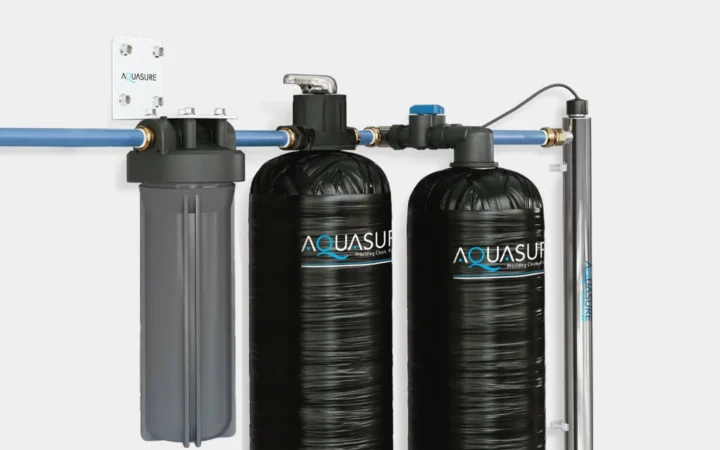
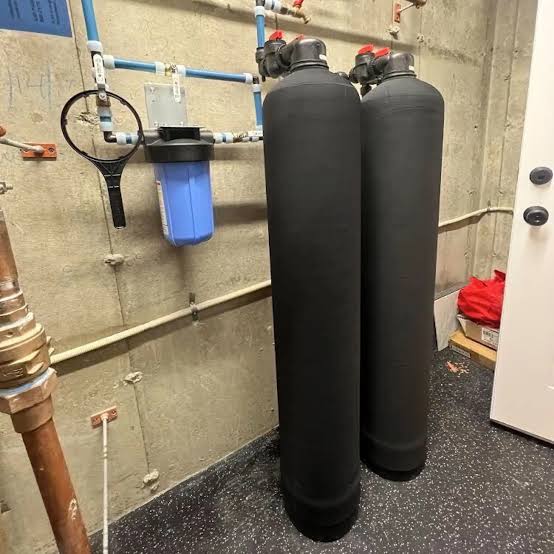
Water treatment products are designed for different purposes. Sediment filters catch suspended particles, activated carbon can improve taste and odor, reverse osmosis membranes reduce many dissolved substances, and specialized systems address particular water chemistry issues. No single technology removes everything under every condition.
Before purchasing equipment, make a short list of your main concerns and compare them with verified product capabilities. Look for relevant NSF/ANSI certifications or other reliable independent performance data, and check exactly which substances the product has been tested to reduce. Broad phrases such as “advanced purification” don’t provide enough information on their own.
It is also worth considering long-term costs. Replacement cartridges, servicing, water use, and installation can add up. A simple system that addresses a clearly identified issue may be more practical than a complicated setup with features you don’t need.
Make Water Quality Part of Home Maintenance
Good water management isn’t about chasing perfect water or assuming every tap hides a problem. It’s about understanding your supply, testing when appropriate, and choosing treatment based on evidence.
Pay attention when water changes in taste, smell, color, or appearance, but remember that these signs cannot confirm safety on their own. Keep track of filter replacements, follow local advisories, and seek professional advice when test results indicate a concern.
A thoughtful approach makes the process less confusing. Once you know what needs attention, you can choose a sensible solution, avoid unnecessary spending, and feel more confident about the water your household uses every day.