It usually starts with something small. A few white spots on your drinking glasses, a showerhead that doesn’t spray quite as well as it used to, or a bathroom faucet that never seems completely clean. You might blame your cleaning products at first, but sometimes, the real culprit is the water itself.
Recognizing the signs you have hard water can help you understand why certain household chores feel unnecessarily frustrating and whether your home could benefit from water treatment.
For homeowners throughout Virginia and Maryland, dealing with excessive water hardness doesn’t have to mean spending more money on cleaning products or accepting stubborn mineral deposits as part of everyday life. There are practical ways to manage the problem.
Why Those White Deposits Keep Coming Back
Hard water contains elevated levels of dissolved calcium and magnesium. These naturally occurring minerals enter water as it travels through soil and underground rock formations.
When water evaporates, the minerals remain behind. That’s why you might notice chalky deposits around faucets, cloudy patches on shower doors, or crusty buildup inside your kettle.
You can scrub these deposits away, of course. But unless the incoming water changes, they’ll keep returning.
Hard water can also interfere with soap performance, creating residue that collects on bathroom surfaces and makes rinsing more difficult.
None of this necessarily means your drinking water is unsafe. However, it does explain why maintaining certain areas of your home might require more effort than expected.
Taking a Long-Term Approach to Hard Water Problems
Cleaning products offer temporary relief from mineral buildup, but they don’t address the underlying cause.
Modern water softening solutions provide homeowners with practical ways to manage excessive hardness according to their water conditions, household consumption, and maintenance preferences.
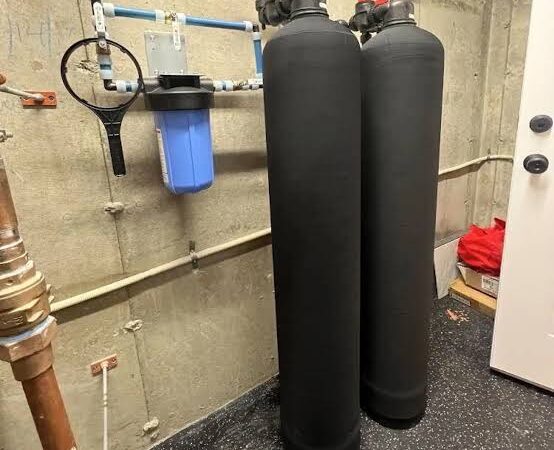
Traditional salt-based softeners use ion exchange technology to replace dissolved calcium and magnesium with sodium or potassium ions.
This process reduces water hardness before treated water travels through connected household plumbing.
Alternative salt-free conditioning technologies generally focus on managing scale formation rather than removing hardness minerals.
The distinction is important because different technologies produce different results. Before purchasing equipment, consider whether your main priority is reducing hardness itself or managing mineral deposits.
Finding a Water Softener That Fits Your Family’s Needs
Walking into the world of water treatment equipment can feel a little overwhelming. Different tank sizes, digital controls, regeneration settings, and efficiency claims make comparing products challenging.
When evaluating water softeners for homes, consider measured hardness levels, daily water consumption, available installation space, and ongoing operating expenses.
A household with four or five people will naturally have different requirements from someone living alone.
Undersized equipment may regenerate too frequently or struggle to accommodate higher water demand. Oversized equipment, meanwhile, could represent an unnecessary expense.
Demand-initiated softeners may offer practical advantages by adjusting regeneration according to measured water usage.
The ideal system isn’t necessarily the biggest or most expensive one. It’s the one that suits your household without adding unnecessary responsibilities.
What Hard Water Could Be Doing to Your Appliances
Most people notice mineral deposits on visible surfaces, but similar buildup can occur in places you rarely see.
Water heaters, dishwashers, and other appliances that regularly use heated water may gradually accumulate scale.
Excessive deposits can interfere with heat transfer and contribute to additional servicing requirements. Over time, these issues may influence equipment efficiency and performance.
Appropriate water softening can help limit the formation of new hardness-related deposits, potentially reducing certain maintenance concerns.
It won’t repair existing appliance damage or replace the need for regular servicing. Still, reducing excessive hardness is a sensible way to address one of the contributing factors behind mineral-related equipment problems.
The Difference Softer Water Can Make During Everyday Chores
There’s something satisfying about taking freshly washed glasses out of the dishwasher and finding fewer cloudy mineral spots.
With softened water, soap generally lathers more easily, and certain cleaning tasks may require less effort. Laundry detergent quantities might also need adjusting once water hardness has been reduced.
Some homeowners notice a slightly slippery sensation when showering with softened water. It can feel unfamiliar initially, particularly if you’ve lived with hard water for years.
These little changes might not seem particularly significant on their own. But when they become part of your daily routine, they can make household maintenance feel considerably more manageable.
Why Water Testing Is Worth Doing Before You Buy
Visible mineral deposits can suggest hard water, but proper testing provides a more accurate picture.
Knowing your actual hardness level helps determine appropriate equipment capacity and operating settings.
Testing may also reveal additional concerns involving iron, manganese, or other substances that require separate treatment.
Private well owners should consider comprehensive laboratory testing, particularly when investigating potential health-related contaminants.
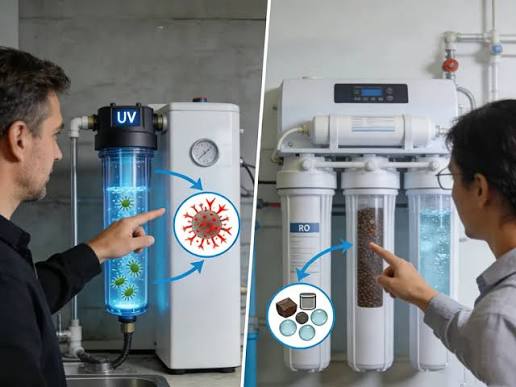
Remember that conventional softening isn’t the same as drinking water purification. A softener addresses hardness but doesn’t automatically remove harmful microorganisms or chemical pollutants.
Understanding these limitations helps homeowners make informed decisions without expecting one system to solve every water quality concern.
Reclaiming Your Time With Better Household Water
A thoughtfully selected water softener can make everyday life easier without requiring major changes to your household routine. Regular salt replenishment, recommended servicing, and occasional performance checks help keep the equipment working as intended.
Ultimately, addressing hard water is about more than achieving sparkling bathroom fixtures. It’s about reducing repetitive cleaning tasks, managing mineral-related maintenance expenses, and enjoying a more comfortable living environment.
Nobody particularly wants to spend their Sunday afternoon scraping limescale from a faucet.
Sometimes, the best home improvements are the ones that quietly give you back a little time to spend on something you genuinely enjoy. Managing hard water could be one of them.