There’s a certain satisfaction in making a good cup of coffee at home. You’ve chosen your favorite beans, measured everything carefully, and waited patiently for it to brew. Yet something about the flavor still seems off.
Have you ever considered that the water might be responsible?
Water quality influences more than what you drink from a glass. It plays a role in cooking, preparing beverages, making ice, and countless other kitchen activities. Unfortunately, many households become so accustomed to their tap water that they simply work around its shortcomings.
Modern drinking water treatment offers a more convenient alternative. With suitable equipment tucked beneath the kitchen sink, homeowners can address specific water quality concerns without relying entirely on bottled water or frequently refilling filter pitchers.
A Closer Look at Reverse Osmosis and Its Everyday Benefits
Water naturally contains dissolved minerals, salts, and various other substances. Although some contribute to its distinctive flavor, others may create an unpleasant drinking experience or raise specific quality concerns.
Homeowners exploring reverse osmosis drinking water solutions can benefit from membrane-based technology designed to reduce many dissolved substances that ordinary filters may not effectively address.
The treatment process uses water pressure to move water through a semipermeable membrane. Additional filtration components often help protect the membrane and improve particular taste characteristics.
Depending on the equipment and incoming water conditions, the potential benefits include:
- Reduced concentrations of many dissolved substances.
- Improved drinking water taste when undesirable compounds are reduced.
- Convenient access to treated water for cooking.
- Less reliance on commercially bottled drinking water.
- Greater control over specific drinking water characteristics.
However, reverse osmosis isn’t necessarily the answer to every water quality concern. A straightforward activated carbon filter might be sufficient when chlorine-related taste is the primary issue.
Understanding your water before purchasing equipment helps you make a more informed decision.
Make Better Use of the Space Beneath Your Kitchen Sink
Kitchen countertops have a habit of becoming crowded. Between the toaster, coffee machine, chopping boards, and assorted utensils, adding another appliance isn’t always particularly appealing.
That’s one reason under-sink drinking water treatment has become an attractive option for homeowners who want convenient filtration without sacrificing valuable countertop space.
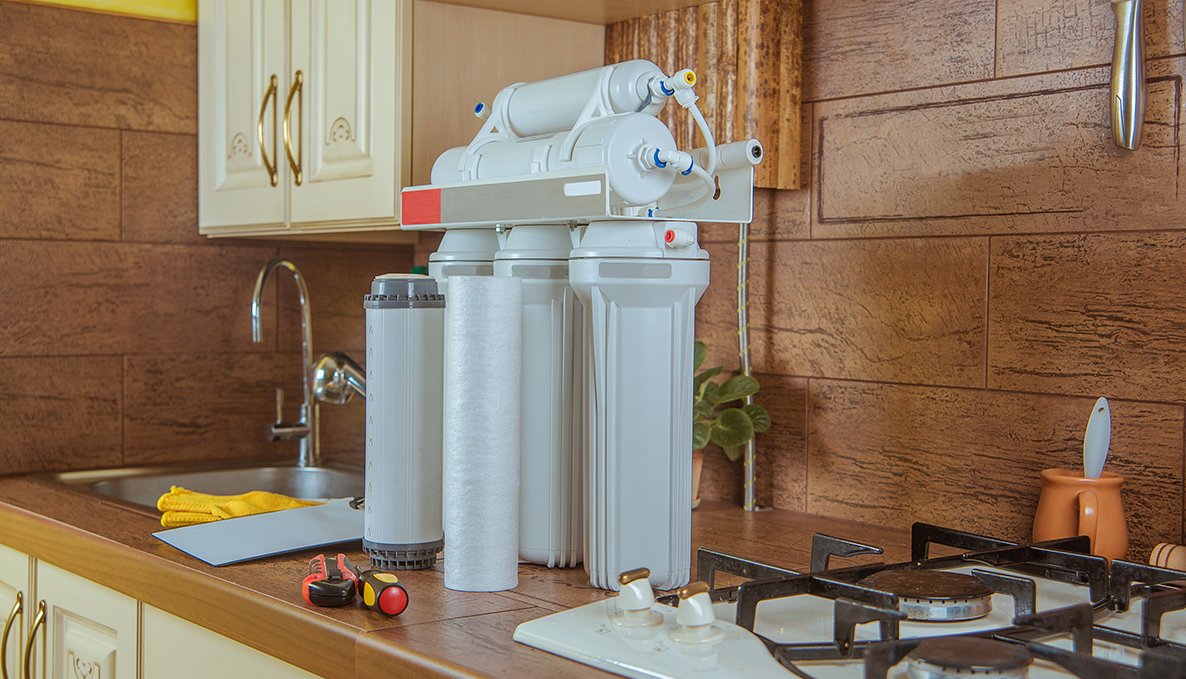
These installations generally connect to the cold-water supply and provide treated water through a dedicated faucet or compatible dispensing arrangement.
Depending on the system, filtration cartridges, a membrane, and a storage tank may sit discreetly inside the kitchen cabinet.
Before installation, take a proper look at the available space. Cleaning supplies, plumbing connections, and waste disposal equipment can leave less room than you initially expect.
Water pressure is another consideration, particularly for pressure-driven membrane systems.
It’s also worth checking how easily replacement cartridges can be accessed. Something as routine as changing a filter shouldn’t require emptying the entire cabinet or struggling with inaccessible plumbing.
Good installation planning makes everyday ownership much more convenient.
What Should You Look for in a Branded Drinking Water System?
Purchasing water treatment equipment involves a certain amount of trust. You’re relying on technology that will influence something your family consumes every day.
When considering Kinetico drinking water purification, homeowners should discuss available equipment configurations, independently verified treatment capabilities, installation requirements, and maintenance costs with an authorized dealer.
Rather than making a decision based entirely on brand recognition, consider how the equipment will fit into your household routine.
A family that frequently prepares meals, fills reusable bottles, and brews several beverages throughout the day may need greater treated water availability than a smaller household.
Ask about filtration stages, replacement cartridge availability, water efficiency, and warranty coverage.
It’s particularly important to understand which specific contaminants a selected system is verified to reduce. General statements about purification don’t necessarily explain how equipment performs under different water conditions.
A knowledgeable professional should be able to explain these details without making the conversation unnecessarily technical.
Better Water Can Bring Out the Flavors You Already Love
Anyone who enjoys cooking knows that ingredients matter. Water, however, rarely gets the attention it deserves.
Consider homemade soup. Water forms a substantial part of the finished dish, yet we often focus exclusively on vegetables, herbs, and seasonings.
Reducing certain unwanted tastes and odors may help those ingredients shine through.
The same principle applies to tea, coffee, homemade beverages, and even ice cubes.
Interestingly, completely removing minerals isn’t always desirable from a flavor perspective. Some brewing methods benefit from particular mineral concentrations, and certain homeowners may prefer suitable remineralization options.
Taste is personal, after all.
The goal should be enjoyable drinking water that meets appropriate quality requirements rather than simply achieving the lowest possible mineral concentration.
Don’t Overlook Testing and Long-Term Maintenance
Clear, pleasant-tasting water isn’t automatically safe to drink. Some potentially harmful contaminants produce no noticeable changes in taste, appearance, or smell.
Arrange appropriate testing before selecting equipment, particularly if your property relies on a private well.
Once installed, follow manufacturer recommendations for cartridge replacements, membrane servicing, and periodic sanitation.
Consider water efficiency, too. Reverse osmosis produces a concentrate stream, so understanding the system’s water consumption is important when evaluating long-term costs.
Bring a Little More Convenience Into Your Everyday Routine
Improving drinking water doesn’t need to become an overwhelming home improvement project. Start with reliable information, compare suitable treatment methods, and choose equipment that fits your lifestyle.
Perhaps you’ll enjoy your morning coffee a little more or spend less time carrying bottled water home from the supermarket.
Those aren’t particularly dramatic changes, but they’re useful ones. And when a simple kitchen improvement makes everyday life more enjoyable, that’s an investment worth considering.