We all know we should drink more water. It’s one of those pieces of advice that sounds simple until you’re halfway through a busy afternoon and realize you’ve barely had a glass.
Sometimes the problem isn’t that people dislike water. It’s that the water available at home doesn’t taste particularly inviting. A strange aftertaste, chlorine odor, or mineral-heavy flavor can make plain water less appealing. And when the water doesn’t taste good, reaching for another drink suddenly seems much easier.
Better water quality can change that. When drinking water is clean, refreshing, and pleasant, staying hydrated starts to feel less like a chore.
Why Drinking Water Should Be Enjoyable
Water doesn’t need to be exciting, but it shouldn’t be unpleasant either.
Think about the difference between drinking a fresh glass of cool water after a long walk and drinking water that has a noticeable chemical or metallic taste. They’re both technically water, but the experience is completely different.
Good drinking water can encourage healthier everyday habits. When the water in your kitchen tastes fresh, you’re more likely to fill a reusable bottle before heading out, keep a glass beside your desk, or choose water with dinner.
Small habits like these can add up.
Understanding What’s in Your Drinking Water
Tap water can contain naturally occurring minerals, disinfectants, sediment, or other substances depending on its source and treatment process.
That doesn’t automatically mean your water is unsafe. In fact, public water supplies are generally treated and monitored according to applicable requirements. Still, homeowners may have concerns about taste, odor, hardness, or specific contaminants.
Private wells are a little different. Because water conditions can change, regular testing becomes especially important for households relying on groundwater.
Before buying a treatment system, it’s worth finding out what’s actually in your water. Otherwise, you may end up paying for equipment that doesn’t address your main concern.
Why Filtration Can Improve the Drinking Experience
The right filtration system can help address certain water-quality characteristics, particularly taste and odor.
For example, activated carbon filtration is commonly used to reduce chlorine taste and odor. Other treatment technologies are designed for different water-quality concerns.
This is where professional guidance can be useful. A knowledgeable provider can look at your water test results and explain which treatment options make sense.
The goal isn’t simply to remove as much as possible. Water contains naturally occurring minerals, and not every substance needs to be removed. Good treatment is about addressing the right problem.
The Importance of Lead Awareness
One concern homeowners shouldn’t overlook is lead. Lead can potentially enter drinking water through certain plumbing materials, fixtures, or service lines, particularly in older properties.
You can’t reliably identify lead by looking at, smelling, or tasting your water. That’s why testing and understanding your home’s plumbing history can be important when lead exposure is a concern.
If testing indicates lead, treatment should be selected specifically for that purpose. Not every water filter is designed or certified to reduce lead, so homeowners should pay close attention to product claims and certification information.
It’s one of those situations where guessing isn’t worth the risk.
What Makes Water Taste Better?
Taste is subjective, but several common factors can influence how drinking water feels on the palate.
Chlorine can contribute to a swimming-pool-like taste or smell. Hard water may leave a mineral-like flavor. Sediment can affect clarity and overall freshness.
Filtration can help address some of these concerns, depending on the technology used.
Temperature matters, too. Many people simply prefer water chilled, especially during warm weather. Keeping a clean reusable bottle in the refrigerator can be a surprisingly effective way to make drinking more water appealing.
Sometimes the simplest changes work best.
How Multi-Stage Systems Work
For households with several water-quality concerns, a single filter may not be enough. That’s where multi-stage drinking water systems can be useful.
Instead of relying on one treatment method, multi-stage systems use several steps, with each stage designed to perform a particular function. One stage might reduce sediment, another may improve taste and odor, while an additional stage could target a specific water-quality concern.
The exact configuration varies from system to system. That’s why it’s important to understand what each stage is intended to do rather than choosing a system simply because it has more filters.
More stages don’t automatically mean better water.
Choosing a System for Your Home
When comparing drinking water systems, look beyond the initial price.
Consider filter replacement costs, maintenance requirements, installation, available space, expected water usage, and warranty support. If you’re considering reverse osmosis or another specialized technology, ask how much water it uses and what ongoing maintenance is required.
Also, check whether the system has appropriate third-party certifications for the claims being made. Certifications can provide useful reassurance that a product has been evaluated against relevant standards.
And don’t hesitate to ask questions. A reputable provider should be able to explain the system without drowning you in technical jargon.
Good Water Can Become a Daily Habit
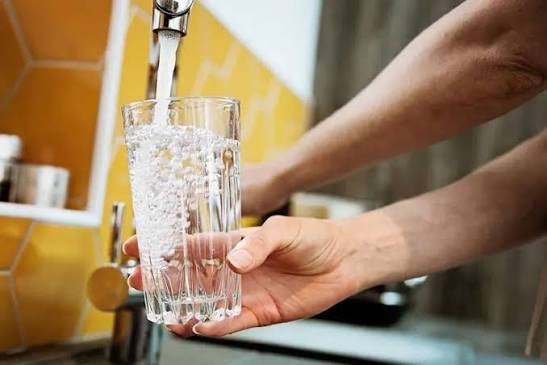
There’s something satisfying about having a glass of healthy delicious water waiting in the kitchen. It doesn’t need fancy packaging or a clever label. It just needs to taste clean and refreshing.
When good water is easily available, healthy choices become more convenient. You can fill a bottle before leaving home, pour a glass with lunch, or keep water nearby while working.
It sounds almost too simple, but convenience matters. The easier a good habit is, the more likely we are to keep doing it.
Making a Thoughtful Water Choice
Better drinking water starts with understanding your needs rather than following the latest trend.
Test your water if you’re unsure about its quality. Identify the specific concerns. Then compare treatment technologies, maintenance requirements, certifications, and long-term costs.
You don’t necessarily need the most expensive system or the one with the most complicated technology. You need a solution that makes sense for your water and your household.
In the end, water is something you’ll reach for hundreds of times over the years. Making it taste better, feel fresher, and fit naturally into your daily routine is a small home improvement that can have a lasting impact.