Imagine moving into a beautiful countryside property with a private well, only to discover that clear, refreshing water isn’t necessarily an indication of its safety. It’s an unfamiliar responsibility for many homeowners, particularly those accustomed to municipal water supplies. Unlike visible sediment or unpleasant odors, microbial contamination can be difficult to recognize without proper testing.
That’s where UV water purification systems can play a valuable role, helping address microbial risks without introducing chemical disinfectants into the household water supply.
Ultraviolet technology has become an established approach to water disinfection, but there’s more to it than simply installing a lamp inside a treatment chamber.
Understanding how the equipment works, what it can accomplish, and how to maintain it is essential for making a worthwhile investment.
How Ultraviolet Technology Works Behind the Scenes
The science behind UV treatment is fascinating, even if you’re not particularly interested in technical equipment.
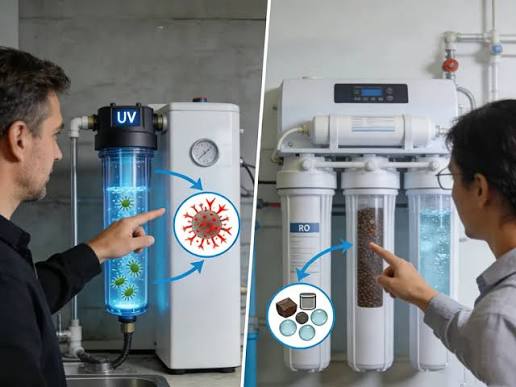
The process of water disinfection using ultraviolet light involves exposing flowing water to germicidal radiation that damages the genetic material of susceptible microorganisms, interfering with their ability to reproduce and cause infection.
Water travels through a specialized chamber containing a protected UV lamp or another suitable ultraviolet source.
When the equipment delivers an appropriate dose under suitable operating conditions, it can inactivate various bacteria, viruses, and protozoa.
Unlike certain chemical treatments, ultraviolet disinfection doesn’t normally change the taste, smell, or mineral composition of water.
For homeowners who prefer treatment without adding disinfectant chemicals, this characteristic is particularly appealing.
However, successful treatment depends heavily on water clarity, exposure intensity, and appropriate flow rates.
Why Household Water Filtration Often Requires Multiple Stages
One mistake homeowners sometimes make is expecting a single treatment device to resolve every water quality concern.
Water can contain suspended particles, dissolved minerals, chemicals, and microorganisms. Each of these presents different treatment requirements.
A properly designed residential UV water filtration arrangement may combine ultraviolet disinfection with additional filtration stages to address water conditions more effectively.
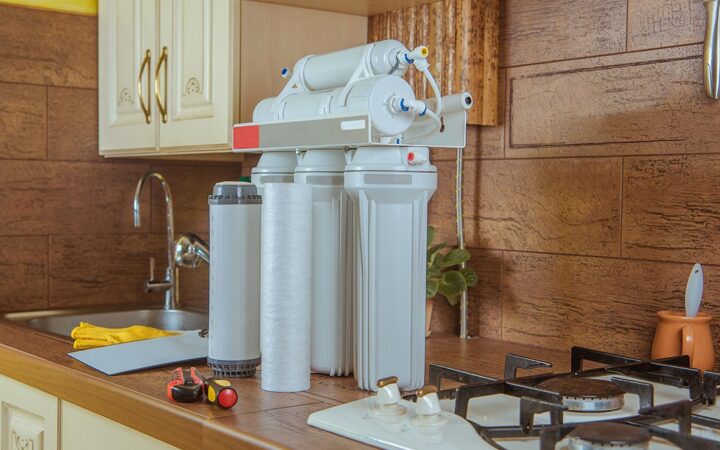
For example, a sediment filter can capture suspended particles that might otherwise interfere with ultraviolet light transmission.
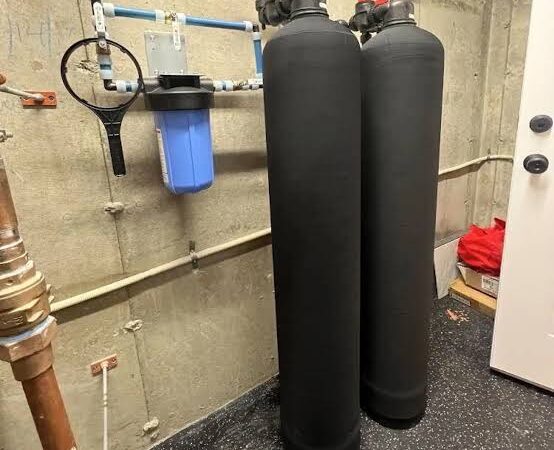
Specialized treatment may also be necessary for excessive iron, manganese, or hardness minerals.
The ultraviolet component then performs its specific disinfection function.
It’s important to remember that UV treatment itself doesn’t remove sediment, dissolved chemicals, or heavy metals.
A coordinated treatment approach, based on reliable testing, generally makes more sense than expecting one device to do everything.
Private Well Water Deserves Regular Attention
There’s a certain independence associated with having your own water supply. However, owning a private well also means taking responsibility for its condition.
Groundwater quality can change because of flooding, nearby land activities, damaged well construction, or other environmental factors.
The frustrating part is that these changes aren’t always noticeable when you turn on the faucet.
Regular laboratory testing helps identify microbial contamination and other relevant water quality concerns.
If testing reveals contamination, it’s important to investigate the underlying cause rather than relying exclusively on disinfection equipment.
Damaged well components or compromised seals may require repair.
Ultraviolet treatment can form part of a sensible protection strategy, but it shouldn’t become an excuse to neglect the condition of the water source itself.
Choosing a UV System That Matches Your Property
Not every household requires equipment with identical treatment capacity.
Think about a typical weekday morning. Someone’s taking a shower, another person is preparing breakfast, and the washing machine might already be running.
These simultaneous activities influence the amount of water moving through your treatment equipment.
A UV system should be appropriately sized for peak water demand while delivering validated disinfection performance under the property’s actual water conditions.
Before purchasing equipment, ask about flow capacity, monitoring features, alarm functions, and independent performance verification.
Automatic shutoff options may also be worth considering because they can help prevent untreated water from entering household plumbing when treatment fails.
Good equipment selection isn’t simply about finding an affordable system. It’s about finding one that performs reliably when your family needs it.
What Homeowners Should Know About UV System Maintenance
Ultraviolet equipment may operate quietly in a utility room for months without attracting much attention. That doesn’t mean it can be forgotten.
UV lamps gradually lose intensity, even when they continue producing visible light. Mineral deposits may also accumulate on protective quartz sleeves, reducing ultraviolet transmission.
Following the manufacturer’s replacement and cleaning recommendations is therefore essential.
Keep an eye on warning indicators and investigate unexpected alarms promptly.
It’s also worth remembering that most residential ultraviolet systems depend on electricity. During a power interruption, effective disinfection may stop.
If treatment fails, follow appropriate water safety guidance and arrange any necessary corrective measures before resuming consumption.
Setting aside a small maintenance budget and keeping track of servicing dates can make these responsibilities easier to manage.
Understanding the Long-Term Value of Ultraviolet Treatment
The true value of water treatment extends beyond the initial equipment purchase.
Appropriate disinfection can help manage microbial risks while allowing homeowners to maintain the familiar taste and characteristics of their water.
However, reliable performance depends on appropriate pretreatment, regular servicing, and periodic water quality testing.
Consider ongoing electricity expenses, replacement components, and professional maintenance when comparing available equipment.
A system that remains practical to maintain is often a better investment than one purchased solely because of its impressive features.
Ultimately, protecting household water is an ongoing responsibility rather than a one-time improvement.
With thoughtful planning and dependable maintenance, ultraviolet technology can become a valuable part of that everyday commitment, quietly working behind the scenes while your family gets on with life.